
Categories Advocate, Cheque Bounce Lawyer, Civil Lawyer, Corporate Lawyer, Criminal Cases

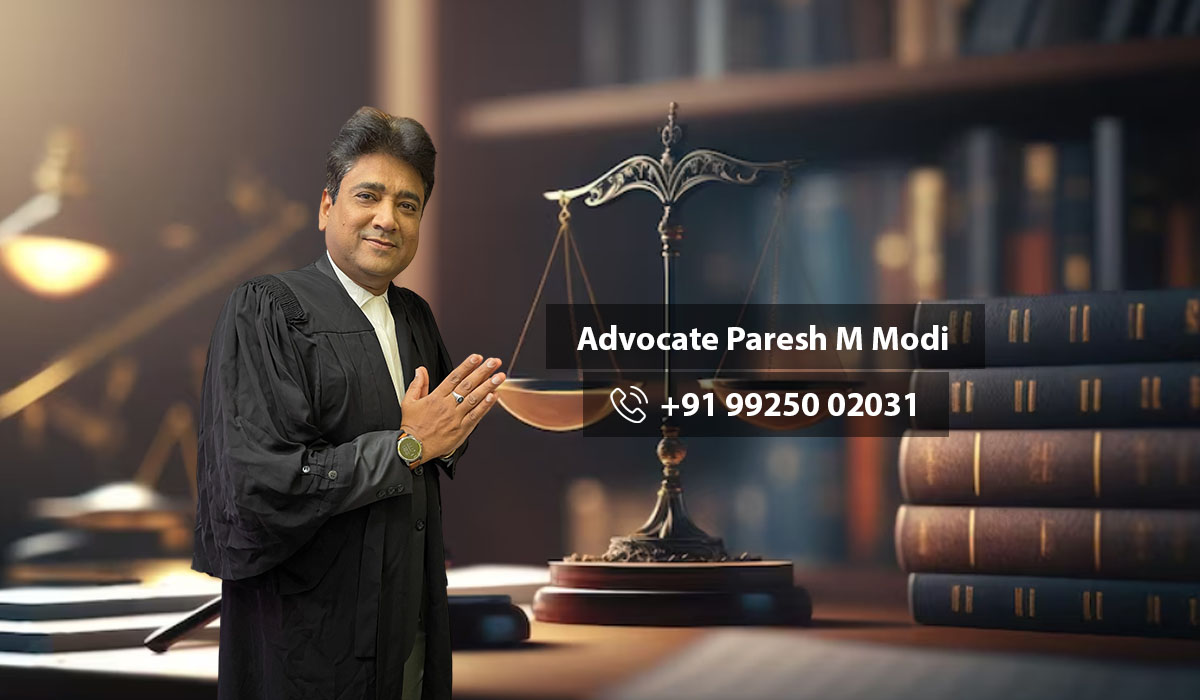
Legal Notice Lawyer Near Me in Ahmedabad | 9925002031 | Advocate for legal Notice in Ahmedabad | Advocate Paresh M Modi

Legal Notice Lawyer Near Me in Ahmedabad | 9925002031 | Legal Notice Advocates in Ahmedabad | Advocate Paresh M Modi


A Legal notice is one of the written document sent by a first party or Sender (It may be person or entity) to the second party or opposite party or Receiver with respect to some disputes. It is sent as a warning to the opposite party or receiver that the first party or Sender has certain disputes related to immovable or movable Property or marriage or child or business or maintenance or civil rights, which are not properly taken care of by the second party or opposite party or Receiver, although the first party / Sender has given enough opportunity to the second party / opposite party / Receiver to resolve the problem.


કાનૂની નોટીસ માટેના મારી નજીકના વકીલ | 9925002031 | Advocate for Legal Notice in Ahmedabad Gujarat


અમદાવાદમાં લીગલ નોટિસ માટે વકીલ | 9925002031 | Legal Notice Advocate in Ahmedabad Gujarat


કાનૂની સૂચના એ પ્રથમ પક્ષ અથવા પ્રેષક (તે વ્યક્તિ અથવા એન્ટિટી હોઈ શકે છે) દ્વારા બીજા પક્ષ અથવા વિરોધી પક્ષ અથવા પ્રાપ્તકર્તાને કેટલાક વિવાદોના સંદર્ભમાં મોકલવામાં આવેલ લેખિત દસ્તાવેજોમાંથી એક છે.તે વિરોધી પક્ષ અથવા પ્રાપ્તકર્તાને ચેતવણી તરીકે મોકલવામાં આવે છે કે પ્રથમ પક્ષ અથવા પ્રેષક પાસે સ્થાવર અથવા જંગમ મિલકત અથવા લગ્ન અથવા બાળક અથવા વ્યવસાય અથવા જાળવણી અથવા નાગરિક અધિકારો સંબંધિત કેટલાક વિવાદો છે, જે બીજા પક્ષ અથવા વિરોધી પક્ષ અથવા રીસીવર દ્વારા યોગ્ય રીતે કાળજી લેવામાં આવતી નથી. જો કે પ્રથમ પક્ષ/પ્રેષકે બીજા પક્ષ/વિરોધી પક્ષ/પ્રાપ્તકર્તાને સમસ્યા ઉકેલવા માટે પૂરતી તક આપી છે. તે બીજા પક્ષ/વિરોધી પક્ષ/પ્રાપ્તકર્તાને પ્રથમ અથવા અંતિમ ચેતવણી સમાન છે કે પ્રથમ પક્ષ/પ્રેષક કાનૂની કાર્યવાહી શરૂ કરવા માટે તૈયાર છે અને તે બીજા પક્ષ અથવા વિરોધી પક્ષ અથવા પ્રાપ્તકર્તા માટે વિવાદોને ઉકેલવાની અંતિમ તક છે


Lawyer for Legal Notice in Ahmedabad Gujarat | 9925002031 | Legal Notice Lawyers in Ahmedabad Gujarat | Advocate Paresh M Modi


कानूनी नोटिस के लिए मेरे पास वकील | 9925002031 | Legal Notice  in Ahmedabad | Advocate Paresh M Modi


अहमदाबाद में कानूनी नोटिस के लिए वकील | 9925002031 | Notice Reply Notice in Ahmedabad | Advocate Paresh M Modi


कानूनी नोटिस किसी विवाद के संबंध में पहले पक्ष द्वारा भेजे गए या दूसरे पक्ष-विपक्ष पक्ष-रिसीवर को भेजे गए लिखित दस्तावेजों में से एक है। यह व्यक्ति या संस्था हो सकता है.इसे विपरीत पक्ष-रिसीवर को एक चेतावनी के रूप में भेजा जाता है कि पहले पक्ष-प्रेषक के कुछ विवाद हैं
अचल-चल संपत्ति, विवाह, संतान, व्यवसाय, भरण-पोषण, नागरिक अधिकार से संबंधित, जो उचित नहीं हैं, दूसरे पक्ष-विपरीत पक्ष-रिसीवर द्वारा देखभाल की गई, हालाँकि पहले पक्ष-प्रेषक ने दूसरे पक्ष-विरोधी पक्ष-रिसीवर को समस्या का समाधान करने का पर्याप्त अवसर दिया है।


Top Lawyer for Legal Notice in Ahmedabad | 9925002031 | Best Advocate for Legal Notice in Ahmedabad Gujarat


Advocate Paresh M Modi is the Best Criminal Advocate in Ahmedabad for Legal Notice and Reply of Legal Notice. he is practising in Ahmedabad city and its different areas like, Chandkheda, Sabarmati, Jawahar Chock, Keshavnagar, RTO Circle, Gandhi Ashram, Vadaj, New Vadaj, Bhimjipura, Akhbar nagar, KK nagar, Ghatlodia, Chanakyapuri, Sola, Shayona City, Naranpura, Navrangpura, Gurukul, CP nagar, Bhuyangdev, Usmanpura, Drivein, Science City, Satadhar, Memnagar, Nirnay Nagar, Chenpur, Kali Gaam, Zundal, Adalaj, IOC Road, Bhadaj Santej, Shilaj, Ambli, Bopal, Shilaj, Shela, Apple Wood, Godrej Garden City Ahmedabad, Adani Shantigram Ahmedabad, Krishna nagar, D-Cabin, Ramnagar Ahmedabad, Gujarat University, Ambawadi, Ashram Road, Income tax Circle, Nehru Bridge, Ellis Bridge, Paldi, Vasna, Shahibag, Ranip, Mithakhali, New Ranip, Dariapur, Kalupur, Shahpur, Station Road Ahmedabad, Ghee Kanta, Mirzapur Ahmedabad, Dafnala Ahmedabad, Airport Road, Sardar nagar, Kuber Nagar, Memco, Civil Hospital, Bapunagar, Gomtipur, Asarva, Prahladnagar, Makarba, Satellite, Anand Nagar, Bodakdev, Vastrapur, Thaltej, Shilaj, Jodhpur, Ramdev nagar, Sindhu bhavan, Gota, Ognaj, Vande-Matram Circle, Tragad, Jagatpur, Motera, New CG Road, SG Road, Sarkhej, Juhapura, Kankaria, Maninagar, Ghodasar, Isanpur, Vatva, Ramol, Vastral, Odhav, Narol, Hathijan, Dehgam, Nikol, New Nikol, Naroda, New Naroda, SP Ring Road, Lambha, Aslali, GIDC Ahmedabad, Saijpur Bogha, Bhadra, Lal Darwaja, Relief Road, Balol Nagar, Central Jail Sabarmati, Chandlodia, Raipur Khadia, Sarangpur,


In Ahmedabad, Best Lawyer of Gujarat High Court, Advocate Paresh M Modi is the well-known Criminal Case Lawyer, Cheque Bounce Advocate and Land Revenue Lawyer among the Top Criminal Lawyers in Ahmedabad, Top Cheque Bounce Lawyers in Gujarat, for your Property case, cheque Bounce Case, Divorce Case, title Dispute Case, Property Disputes, Bail Matters, Maintenance Case, Domestic Violence Case, you may contact him, Call or WhatsApp now him on Mobile No. 9925002031 for book the Appointment. He is the Advocate in Ahmedabad, Lawyer in Ahmedabad


Legal Words and Definition


Cheque

A cheque is a negotiable instrument instructing a bank to pay a specific amount from an account holder’s funds to a designated party.


NI Act

The Negotiable Instruments Act governs financial instruments like cheques, including penalties for dishonor due to insufficient funds.


Cheque Return

Cheque return occurs when a bank declines to honor a cheque, often due to insufficient funds or signature mismatch.


Cheque Dishonour

Cheque dishonor happens when a cheque cannot be processed due to insufficient funds, stop payments, or other technical reasons.


Cheque Bounce

Cheque bounce refers to the non-fulfillment of a cheque’s payment, often leading to legal action under the Negotiable Instruments Act.


Plea

A plea is a formal statement made by an accused in court, declaring guilt, innocence, or a defense to charges.


Act

An act is a formal legislative statute passed by Parliament or a state assembly, providing rules, regulations, and procedures governing various matters.


Law

Law is the system of rules and guidelines established by society, enforced through institutions, to regulate conduct and ensure justice.


Section

A section is a distinct part of a legal statute or act, specifying particular rules, provisions, or guidelines within the larger framework of the law.


Jail

Jail is a facility for detaining individuals accused or convicted of crimes, serving as a correctional or pre-trial holding institution.


Magistrates

Magistrates are judicial officers responsible for administering justice in lower courts, handling minor cases, bail matters, and preliminary inquiries.


Judges

Judges preside over courts, interpreting laws, assessing evidence, and delivering judgments to ensure justice is served in legal disputes or cases.


Jamanat

Jamanat refers to bail or security deposited to ensure an accused person’s release from custody while guaranteeing their court appearances.


Complaint

A complaint is a formal legal statement filed by an individual or entity alleging wrongdoing or seeking redress for grievances.


Complainant

The complainant is the person or party who files a legal complaint, initiating proceedings against an accused person or entity.


Accused

An accused is an individual formally charged or suspected of committing a crime, pending trial or investigation to establish guilt or innocence.


Crime

Crime is any act or omission punishable by law, considered harmful to individuals, society, or the state, including theft, fraud, and assault.


Criminal

A criminal is an individual convicted of violating laws, having committed acts deemed punishable under the legal system.


Case

A case is a legal dispute or criminal matter brought before a court for resolution or judgment based on presented evidence and arguments.


Expert

An expert is a person with specialized knowledge or skills in a particular field, often called upon for advice or testimony in legal matters.


Specialist

A specialist is someone highly skilled or knowledgeable in a specific area of law, offering expert legal counsel or representation.


Top

Top refers to being at the highest rank or level in a given field, often used to describe leading lawyers or advocates with a successful track record.


Best

Best signifies unparalleled quality or excellence, frequently used for legal professionals known for exceptional expertise and success.


Near Me

“Near me” refers to finding local legal services or professionals in proximity for convenient access to legal assistance.


Appeal

An appeal is a formal request to a higher court to review and potentially overturn a lower court’s judgment or order.


Revision

Revision involves reviewing and rectifying procedural or jurisdictional errors in a lower court’s judgment or decision.


FIR

A FIR (First Information Report) is the initial complaint recorded by the police when a cognizable offense is reported. It serves as the basis for the investigation and includes essential details of the alleged crime.


Quash

Quash refers to the legal process of nullifying or canceling an official proceeding, order, or complaint. Courts quash FIRs or orders if they lack merit or violate legal principles.


Quashing

Quashing is the act of invalidating a case, FIR, or legal order by the authority of a court, often based on lack of evidence, jurisdictional errors, or procedural irregularities.


Summons

A summons is a legal document issued by a court requiring a person to appear before it on a specified date, either as a witness, accused, or respondent.


Notice

A notice is a formal written communication informing an individual or entity about legal proceedings, obligations, or actions they need to address or comply with.


Warrant

A warrant is a legal authorization issued by a court allowing law enforcement to arrest, search, or detain a person, or seize property in connection with a case.


Bailable

Bailable offenses allow the accused to obtain bail as a matter of right, often for less severe crimes, upon fulfilling certain conditions set by the court.


Non-Bailable

Non-bailable offenses are more serious in nature, requiring judicial discretion for granting bail, with no automatic right for the accused to secure release.


Bail

Bail is the temporary release of an accused person awaiting trial, granted under certain conditions to ensure their appearance in court.


Anticipatory Bail

Anticipatory bail is a legal provision allowing an individual to seek bail in advance to avoid arrest when they anticipate being accused of a crime.


Regular Bail

Regular bail is granted to an accused person already in custody, ensuring their release pending trial or investigation.


Successive Bail

Successive bail refers to subsequent bail applications filed after an earlier one has been rejected, usually requiring new grounds or evidence.


Bail Application

A bail application is a formal request submitted to the court, seeking the release of an accused person on bail, explaining legal grounds for the plea.


Bail Bond

A bail bond is a financial guarantee provided by the accused or a surety, ensuring their compliance with court appearances and conditions after bail is granted.


Police Station

A police station is a designated location where law enforcement operates, handling complaints, investigations, and maintaining law and order in its jurisdiction.


Act

An act is a formal legislative statute passed by Parliament or a state assembly, providing rules, regulations, and procedures governing various matters.


Law

Law is the system of rules and guidelines established by society, enforced through institutions, to regulate conduct and ensure justice.


Section

A section is a distinct part of a legal statute or act, specifying particular rules, provisions, or guidelines within the larger framework of the law.


Jail

Jail is a facility for detaining individuals accused or convicted of crimes, serving as a correctional or pre-trial holding institution.


Seize

Seizing refers to the lawful confiscation or detention of property, goods, or evidence by authorities during an investigation or enforcement.


Lawyers

Lawyers are legal professionals licensed to provide advice, represent clients in courts, and assist with legal matters.


Advocates

Advocates are licensed practitioners authorized to appear in courts and represent clients, providing legal advice and advocacy.


Law Firm

A law firm is a professional organization where lawyers or advocates collaborate to provide a wide range of legal services to clients.


Legal

Legal refers to anything permitted by or related to the law, including activities, advice, and services within the legal framework.


Services

Services encompass the assistance, representation, and expertise provided by legal professionals in resolving disputes and legal issues.


Court

A court is a judicial institution where legal disputes are resolved, and justice is administered under the law.


Offense

An offense is a punishable act violating criminal laws, ranging from minor violations to serious felonies.


Trial

A trial is a formal legal process in court where evidence is presented, and arguments are made to determine the outcome of a case.


District Court

District Courts are the primary courts of law for civil and criminal cases, operating within a specific geographical area or district.


Sessions Court

Sessions Courts handle serious criminal offenses, including cases that require greater judicial discretion and sentencing.


High Court

High Courts are the highest judicial authorities in a state, with appellate and original jurisdiction over significant civil and criminal matters.


Supreme Court

The Supreme Court is the apex judicial authority in India, handling constitutional matters and appeals against High Court judgments.


Gujarat

Gujarat is a state in western India, known for its legal framework addressing diverse cases, with Advocate Paresh M Modi offering top-notch legal services.


Maharashtra

Maharashtra is a key state in India with a robust judiciary, known for complex legal cases and high-profile trials in its courts.


Mumbai

Mumbai, the financial capital of India, hosts major legal institutions, including the Bombay High Court, handling significant cases.


Bombay

Bombay, now known as Mumbai, remains an important legal hub, housing prominent courts and law firms.


Delhi

Delhi, the capital of India, is a central hub for legal and governmental proceedings, hosting the Supreme Court and other tribunals.


New Delhi

New Delhi is India’s administrative center, home to key legal institutions and courts for national-level cases.


Near Me

“Near me” refers to finding local legal services or professionals in proximity for convenient access to legal assistance.


Appeal

An appeal is a formal request to a higher court to review and potentially overturn a lower court’s judgment or order.


Revision

Revision involves reviewing and rectifying procedural or jurisdictional errors in a lower court’s judgment or decision.


Airport

Airports often involve legal cases like customs violations or smuggling, requiring specialized lawyers for representation.


Additional Chief Judicial Magistrate

The Additional Chief Judicial Magistrate handles significant criminal and civil cases within their jurisdiction at a subordinate level.


Judgement

A judgment is the formal decision issued by a court following the evaluation of evidence and legal arguments in a case.


Order

An order is a directive issued by a court to address specific issues or procedural steps in a legal case.


CBI

The Central Bureau of Investigation is India’s premier agency for investigating complex and high-profile cases.


ED

The Enforcement Directorate is tasked with investigating financial crimes, including money laundering and foreign exchange violations.


EOW

The Economic Offenses Wing specializes in addressing white-collar crimes, such as fraud, embezzlement, and corporate mismanagement.


POCSO

The Protection of Children from Sexual Offenses Act provides stringent measures to prevent and penalize crimes against children.


SEBI

The Securities and Exchange Board of India regulates the securities market, ensuring transparency and investor protection.


DRI

The Directorate of Revenue Intelligence investigates customs-related offenses, including smuggling and tax evasion.


ACB

The Anti-Corruption Bureau addresses corruption cases involving public officials, ensuring integrity in public services.


PMLA

The Prevention of Money Laundering Act aims to combat money laundering by attaching properties and prosecuting offenders.


CVC

The Central Vigilance Commission oversees vigilance matters, ensuring transparency and accountability in public administration.


Contact Advocate Paresh M Modi

For legal consultation or representation in matters of Anticipatory bail, Regular bail, Discharge Applications, FIR Quashing, Cheque Return Cases, or Criminal Appeals, connect with Advocate Paresh M Modi through his official website: www.advocatepmmodi.in.

Mobile: +91 9925002031 (Only WhatsApp sms During the 9 Am to 9 Pm)
Office Landline: +91-79-48001468 (For Appointment, Call During the 10.30 Am to 6.30 Pm-Working days)
Email: advocatepmmodi@gmail.com
Website: www.advocatepmmodi.in
Office Address:
Office No. C/112, Supath-2 Complex, Opp. Kohinoor Plaza Hotel, Near Old Wadaj Bus Stand, Ashram Road, Ahmedabad – 380013, Gujarat, India.


Categories Civil Lawyer

The Code Of Civil Procedure,1908

Section- 96 Appeal from original decree.

(1) Save where otherwise expressly provided in the body of this Code or by any other law for the time being in force, an appeal shall lie from every decree passed by any Court exercising original jurisdiction to the Court authorized to hear appeals from the decisions of such Court.

(2) An appeal may lie from an original decree passed ex parte.

(3) No appeal shall lie from a decree passed by the Court with the consent of parties.

1[(4) No appeal shall lie, except on a question of law, from a decree in any suit of the nature cognizable by Courts of Small Causes, when the amount or value of the subject-matter of the original suit does not exceed 2 [ten thousand rupees.]]

धारा 96 सीपीसी विवरण

(1) जहां इस संहिता के निकाय में अन्यथा स्पष्ट रूप से प्रदान किया गया है या किसी अन्य कानून के लिए प्रभावी रूप से प्रदान किया गया है, को छोड़कर, किसी भी न्यायालय द्वारा पारित प्रत्येक डिक्री से एक अपील होगी, जो न्यायालय के फैसले से अपील सुनने के लिए प्राधिकृत न्यायालय के मूल अधिकार क्षेत्र का प्रयोग करता है। ऐसा न्यायालय।

(2) पूर्व फलक पारित मूल डिक्री से अपील हो सकती है।

(3) पक्षकारों की सहमति से न्यायालय द्वारा पारित डिक्री की कोई अपील नहीं होगी।

1[(4) लघुवाद न्यायालयों द्वारा संज्ञेय प्रकृति के किसी भी वाद में, विधि के प्रश्न को छोड़कर, कोई भी अपील नहीं होगी, जब मूल वाद की विषय-वस्तु की राशि या मूल्य अधिक न हो 2 [दस हजार रुपये]।]

Advocate Paresh M Modi is a highly regarded advocate based in Ahmedabad, known for his expertise in criminal law. As a distinguished lawyer at the Gujarat High Court, he specializes in a wide range of legal matters, making him a sought-after professional in various areas of law. Some of his notable specializations include handling cases related to cheque bounce, property disputes, cybercrime, court marriages, divorces, debt recovery tribunals (DRT), FIR quashing, land revenue disputes, anticipatory bail, PASA (Prevention of Anti-Social Activities Act), family law, civil law, and more. Advocate Paresh M Modi is a highly skilled lawyer practicing at the Gujarat High Court Lawyer in Ahmedabad. With his extensive experience and expertise, He has established himself as a renowned advocate in the region. Stay connected with him on social media for updates:

Facebook | Twitter | LinkedIn | Instagram | YouTube

Follow Advocate Paresh M Modi, the esteemed lawyer, for valuable insights, legal analysis, and engaging discussions. Stay informed about the law and legal developments through his informative content. In the meantime, check out other Information from Home Page, or call us at Landline No: +91-79-48001468 or Phone & WhatsApp No: +91 99250 02031.

Categories Civil Lawyer

Understanding Civil Lawyer and Civil Cases | 9925002031 | Co-operative Housing Society Lawyer in Gujarat

Civil Lawyer In Ahmedabad

Civil Lawyers in Ahmedabad | Advocate Paresh M Modi | 9925002031 | Property Disputes | RERA | Title | Ancestral Property | Land Record |

Civil law governs the legal disputes between individuals, businesses, and organizations. A Civil Lawyer is a legal professional who specializes in handling civil cases. In this article, we will provide an overview of Civil Lawyer and Civil Cases.


Civil Lawyer:

A Civil Lawyer is a legal professional who represents individuals, businesses, and organizations in civil cases. Civil Lawyers handle cases that involve disputes between parties over legal rights or obligations, such as property ownership, contracts, and personal injury.

Civil Lawyers can assist clients in various aspects of a civil case, including legal consultation, drafting of legal documents, negotiation with the opposing party, representation in court proceedings, and enforcement of court orders.


Civil Cases:

Civil Cases are legal disputes between individuals, businesses, and organizations that do not involve criminal charges. Civil Cases are initiated by the plaintiff, who is the party that is alleging the wrongdoing, and the defendant, who is the party that is being accused of wrongdoing.

Civil Cases can be classified into various types, such as breach of contract, property disputes, personal injury, defamation, and family law disputes. Civil Cases can be resolved through negotiation, mediation, arbitration, or court proceedings.

In court proceedings, the plaintiff must prove their case by a preponderance of evidence, which means that the evidence presented by the plaintiff is more likely to be true than not true. The defendant can then present their evidence and defenses.

If the court finds the defendant liable, they may order them to pay damages, which can include compensation for the plaintiff’s losses, punitive damages, and attorney fees. If the defendant fails to comply with the court’s order, the plaintiff can seek enforcement of the court’s order through various legal mechanisms.


Conclusion:

Civil Law is an essential aspect of the legal system, and Civil Lawyers play a crucial role in representing clients in civil cases. If you are involved in a civil dispute, seeking the assistance of a Civil Lawyer can help ensure that your legal rights are protected, and that you receive the best possible outcome in your case.

Advocate Paresh M Modi is a prominent Civil Lawyer based in Ahmedabad, India. With over 20 years of experience in the legal field, he has successfully represented clients in a wide range of civil cases, including property disputes, contract disputes, personal injury cases, and family law disputes.

Advocate Paresh M Modi has a deep understanding of civil law and provides personalized legal solutions to his clients. He has a reputation for being a skilled negotiator and an aggressive litigator, and is known for his ability to achieve favorable outcomes for his clients.

Whether you are looking to initiate a civil case or need assistance in defending yourself against a civil claim, Advocate Paresh M Modi can provide you with expert legal guidance and representation. His firm offers a wide range of legal services, including legal consultation, drafting of legal documents, negotiation, mediation, arbitration, and court representation.

If you are looking for a highly experienced and skilled Civil Lawyer in Ahmedabad, Advocate Paresh M Modi is an excellent choice.


Top Lawyer for Housing Society Act in Ahmedabad | Paresh M Modi | 9925002031 | Housing Society Disputes Advocate in Gujarat


Co-operative Housing Society related 24 Hot Questions and Answers, which often ask by the Members


Advocate Paresh M Modi, based in Ahmedabad, Gujarat, is renowned as the best lawyer for housing society disputes under the Gujarat Co-operative Housing Societies Act. With extensive expertise, he handles issues like maintenance disputes, transfer fees, election challenges, misuse of funds, and common area rights. Known for his strategic legal approach and in-depth understanding of co-operative housing laws, he provides effective solutions for society committee matters and member grievances. Advocate Paresh M Modi ensures justice for his clients, representing them in various legal forums, including the Co-operative Court and Registrar’s Office, across Gujarat.


1. What are the maintenance charges in a housing society, and how should they be calculated?

Answer:
Maintenance charges are typically calculated based on the square footage of an apartment or equally among members as per the society’s by-laws. Section 79 of the Gujarat Co-operative Housing Societies Act provides guidelines for fixing such charges, including operational expenses, repair funds, and sinking funds. Disputes regarding maintenance charges can be raised before the Registrar of Co-operative Societies or the Consumer Forum.

Gujarati:
હાઉસિંગ સોસાયટીમાં મેન્ટેનન્સ ચાર્જ શું છે અને તે કેવી રીતે ગણવવામાં આવે છે?
જવાબ: મેન્ટેનન્સ ચાર્જ સામાન્ય રીતે એપાર્ટમેન્ટના સ્ક્વેર ફૂટ કે રકમના ભાગે અથવા સોસાયટીના નિયમો મુજબ સભ્યો વચ્ચે સમાન રૂપે વહેંચાય છે. ગુજરાત કૉ-ઑપરેટિવ હાઉસિંગ સોસાયટી અધિનિયમની કલમ 79 મેન્ટેનન્સ ચાર્જના નિર્ધારણ માટે માર્ગદર્શિકા પ્રદાન કરે છે. આ વિવાદો માટે સોસાયટીના રજીસ્ટ્રાર અથવા ગ્રાહક ફોરમમાં અરજી કરી શકાય છે.


2. Who is responsible for lift maintenance in a housing society?

Answer:
Lift maintenance is the responsibility of the housing society under the Gujarat Lifts and Escalators Act, 2000. Charges for maintenance are distributed among members either equally or based on the size of the apartment. Members can file complaints if lifts are not maintained properly, risking safety.

Gujarati:
હાઉસિંગ સોસાયટીમાં લિફ્ટના મેન્ટેનન્સ માટે જવાબદાર કોણ છે?
જવાબ: ગુજરાત લિફ્ટ અને એસ્કેલેટર અધિનિયમ, 2000 અનુસાર લિફ્ટના મેન્ટેનન્સ માટે સોસાયટી જવાબદાર છે. મેન્ટેનન્સ માટેના ચાર્જ સભ્યો વચ્ચે સમાન કે ફ્લેટના કદના આધારે વહેંચાય છે. જો લિફ્ટ સારી રીતે જાળવી રાખવામાં નહીં આવે તો સભ્યો ફરિયાદ કરી શકે છે.


3. Can members use the terrace for personal purposes?

Answer:
The terrace is considered common property under the Gujarat Co-operative Housing Societies Act, Section 24. No member can use it exclusively without society permission. Unauthorized use can be challenged in co-operative courts or with the Registrar.

Gujarati:
મેમ્બર વ્યક્તિગત ઉપયોગ માટે ટેરેસનો ઉપયોગ કરી શકે છે?
જવાબ: ટેરેસ ગુજરાત કો-ઑપરેટિવ હાઉસિંગ સોસાયટીઝ અધિનિયમની કલમ 24 હેઠળ સામૂહિક મિલકત ગણવામાં આવે છે. કોઈપણ સભ્ય તે સોસાયટીની મંજૂરી વિના ખાસ રીતે ઉપયોગ કરી શકતો નથી. અનધિકૃત ઉપયોગ માટે સહકારી અદાલત અથવા રજીસ્ટ્રાર પાસે ફરિયાદ કરી શકાય છે.


4. What is the role of the society chairman, and how can it be challenged?

Answer:
The chairman acts as the head of the society, managing day-to-day affairs as per the society’s by-laws and Section 73 of the Gujarat Co-operative Housing Society Act. If members feel the chairman is acting beyond their powers or unethically, they can approach the Registrar or Co-operative Tribunal under Section 93.

Gujarati:
સોસાયટી ચેરમેનનો શું ભૂમિકા છે અને તે કેવી રીતે પડકારવામાં આવી શકે છે?
જવાબ: ચેરમેન ગુજરાત કો-ઑપરેટિવ હાઉસિંગ સોસાયટીઝ અધિનિયમની કલમ 73 મુજબ દૈનિક કામગીરી સંભાળે છે. જો સભ્યો માને કે ચેરમેન તેમની સત્તાથી આગળ જઈ રહ્યા છે, તો તેઓ કલમ 93 હેઠળ રજીસ્ટ્રાર અથવા સહકારી ટ્રિબ્યુનલનો સંપર્ક કરી શકે છે.


5. What is the procedure to challenge society elections?

Answer:
Under Section 74 of the Gujarat Co-operative Housing Societies Act, members can file a petition to the Registrar or the Co-operative Court if they suspect irregularities in elections. Evidence of malpractice must be submitted along with the complaint.

Gujarati:
સોસાયટીની ચુંટણીઓને પડકારવા માટે પ્રક્રિયા શું છે?
જવાબ: ગુજરાત કો-ઑપરેટિવ હાઉસિંગ સોસાયટીઝ અધિનિયમની કલમ 74 હેઠળ જો ચૂંટણીમાં ગડબડ થાય તો સભ્યો રજીસ્ટ્રાર અથવા સહકારી અદાલતમાં અરજી કરી શકે છે. ફરિયાદ સાથે ગેરરીતિના પુરાવા રજૂ કરવાં આવશ્યક છે.


6. How can transfer fees for property in a housing society be regulated?

Answer:
Transfer fees are regulated under Section 82 of the Gujarat Co-operative Housing Societies Act, which caps the charges a society can levy. Excessive fees are considered illegal and can be contested in the Co-operative Court.

Gujarati:
હાઉસિંગ સોસાયટીમાં મિલકત ટ્રાન્સફર ફી કેવી રીતે નિયમિત કરી શકાય છે?
જવાબ: ગુજરાત કો-ઑપરેટિવ હાઉસિંગ સોસાયટીઝ અધિનિયમની કલમ 82 મુજબ ટ્રાન્સફર ફી પર મર્યાદા રાખવામાં આવી છે. વધારે ફી વસૂલવામાં આવે તો તે ગેરકાયદે ગણાય છે અને તેને સહકારી અદાલતમાં પડકારવામાં આવી શકે છે.


7. Can the society levy additional charges for water usage?

Answer:
Yes, under Section 79 of the Gujarat Co-operative Housing Societies Act, societies can impose additional charges for water if usage exceeds normal limits. Such charges must be approved in the general body meeting and be reasonable. Complaints regarding excessive charges can be addressed to the Registrar.

Gujarati:
સોસાયટી પાણીના ઉપયોગ માટે વધારાના ચાર્જ વસૂલ કરી શકે છે?
જવાબ: હા, ગુજરાત કો-ઑપરેટિવ હાઉસિંગ સોસાયટીઝ અધિનિયમની કલમ 79 હેઠળ, જો પાણીનો ઉપયોગ સામાન્ય મર્યાદા કરતાં વધુ થાય તો સોસાયટી વધારાના ચાર્જ લગાવી શકે છે. આ ચાર્જ સામાન્ય સભામાં મંજૂર થવા જોઈએ અને વ્યાજબી હોવા જોઈએ. વધુ ચાર્જ માટે રજીસ્ટ્રારને ફરિયાદ કરી શકાય છે.


8. What are the rules for using common parking spaces in a housing society?

Answer:
Parking spaces are common areas governed by Section 24 of the Gujarat Co-operative Housing Societies Act. Allocation should be fair, either through a rotation system or as per the society’s by-laws. Unauthorized occupation can be challenged before the Registrar or Co-operative Court.

Gujarati:
હાઉસિંગ સોસાયટીમાં સામાન્ય પાર્કિંગ જગ્યા માટેના નિયમો શું છે?
જવાબ: પાર્કિંગ જગ્યા ગુજરાત કો-ઑપરેટિવ હાઉસિંગ સોસાયટીઝ અધિનિયમની કલમ 24 હેઠળ સામાન્ય વિસ્તાર તરીકે ગણી શકાય છે. આ વિતરણ નિયમિત રીતે અથવા સોસાયટીના નિયમો મુજબ થવું જોઈએ. અનધિકૃત કબજો રજીસ્ટ્રાર અથવા સહકારી અદાલતમાં પડકારવામાં આવી શકે છે.


9. Can a member deny paying maintenance if services are not provided?

Answer:
No, under Section 101 of the Gujarat Co-operative Housing Societies Act, all members must pay maintenance irrespective of service quality. However, members can file a complaint against the managing committee for failure to provide services.

Gujarati:
જો સેવાઓ ન પૂરી પાડવામાં આવે તો સભ્ય મેન્ટેનન્સ ચૂકવવાનું નકારી શકે છે?
જવાબ: નહિ, ગુજરાત કો-ઑપરેટિવ હાઉસિંગ સોસાયટીઝ અધિનિયમની કલમ 101 અનુસાર, સેવાઓની ગુણવત્તા પર આધાર રાખ્યા વગર સભ્યોને મેન્ટેનન્સ ચૂકવવું જરૂરી છે. જોકે, સેવાઓ પૂરી પાડવામાં નિષ્ફળતા માટે મેનેજિંગ કમિટી વિરુદ્ધ ફરિયાદ કરી શકાય છે.


10. How can members demand an audit of society accounts?

Answer:
Under Section 81 of the Gujarat Co-operative Housing Societies Act, members can request an audit by submitting an application signed by at least one-third of the members. The audit must be conducted by a government-authorized auditor.

Gujarati:
સોસાયટીના હિસાબોની ઓડિટ માટે સભ્યો કેવી રીતે માંગણી કરી શકે?
જવાબ: ગુજરાત કો-ઑપરેટિવ હાઉસિંગ સોસાયટીઝ અધિનિયમની કલમ 81 હેઠળ, ઓછામાં ઓછા એક તૃતિય સભ્યોની સહીવાળી અરજી આપીને ઓડિટ માટે માગણી કરી શકાય છે. ઓડિટ સરકાર દ્વારા માન્યતા પ્રાપ્ત ઓડિટર દ્વારા કરવી જોઈએ.


11. What is the process to file a complaint against the society committee?

Answer:
Complaints against the managing committee can be filed under Section 93 of the Gujarat Co-operative Housing Societies Act with the Registrar. If the issue involves criminal misconduct, an FIR can also be lodged.

Gujarati:
સોસાયટી કમિટીની વિરુદ્ધ ફરિયાદ કરવા માટે પ્રક્રિયા શું છે?
જવાબ: ગુજરાત કો-ઑપરેટિવ હાઉસિંગ સોસાયટીઝ અધિનિયમની કલમ 93 હેઠળ મેનેજિંગ કમિટીની વિરુદ્ધ રજીસ્ટ્રાર પાસે ફરિયાદ દાખલ કરી શકાય છે. જો ગુનાહિત કૃત્યનો સમાવેશ થાય છે તો FIR પણ નોંધાવી શકાય છે.


12. Can a society impose restrictions on renting flats to tenants?

Answer:
Societies cannot impose blanket bans on renting flats. However, they can enforce regulations under Section 24 of the Gujarat Co-operative Housing Societies Act and society by-laws. Discriminatory restrictions can be challenged legally.

Gujarati:
સોસાયટી ભાડે ફ્લેટ આપવા પર પ્રતિબંધ મૂકી શકે છે?
જવાબ: સોસાયટી સરવાળી પ્રતિબંધ મૂકી શકતી નથી. જો કે, ગુજરાત કો-ઑપરેટિવ હાઉસિંગ સોસાયટીઝ અધિનિયમની કલમ 24 અને નિયમો હેઠળ નિયમોને અમલમાં મૂકી શકે છે. ભેદભાવપૂર્ણ પ્રતિબંધ કાયદાકીય રીતે પડકારવામાં આવી શકે છે.


13. What are the powers of the Registrar in resolving housing society disputes?

Answer:
The Registrar has wide powers under Section 75 of the Gujarat Co-operative Housing Societies Act to resolve disputes, including ordering audits, dissolving committees, and appointing administrators. Appeals can be made against the Registrar’s decision in Co-operative Appellate Court.

Gujarati:
હાઉસિંગ સોસાયટીના વિવાદ ઉકેલવામાં રજીસ્ટ્રારના સત્તા શું છે?
જવાબ: રજીસ્ટ્રાર પાસે ગુજરાત કો-ઑપરેટિવ હાઉસિંગ સોસાયટીઝ અધિનિયમની કલમ 75 હેઠળ ઓડિટનો આદેશ આપવાનો, કમિટીઓને રદ કરવાનો અને તાત્કાલિક સંચાલકો નિયુક્ત કરવાનો અધિકાર છે. રજીસ્ટ્રારના નિર્ણય વિરુદ્ધ સહકારી અપીલ અદાલતમાં અપીલ કરી શકાય છે.


14. How are disputes about drainage and water leakage resolved?

Answer:
Such disputes are addressed under Section 91 of the Gujarat Co-operative Housing Societies Act. Members can report issues to the society for repairs. If unresolved, complaints can be filed with the Registrar or Consumer Forum.

Gujarati:
ડ્રેનેજ અને પાણી લીકેજ અંગેના વિવાદ કેવી રીતે ઉકેલાય છે?
જવાબ: આ પ્રકારના વિવાદ ગુજરાત કો-ઑપરેટિવ હાઉસિંગ સોસાયટીઝ અધિનિયમની કલમ 91 હેઠળ ઉકેલાય છે. સભ્યો આ સમસ્યાઓ સોસાયટીમાં નોંધાવી શકે છે. જો સમસ્યા ઉકેલાય નહીં, તો રજીસ્ટ્રાર અથવા ગ્રાહક ફોરમમાં ફરિયાદ કરી શકાય છે.


15. Can a member be expelled from the society?

Answer:
Expulsion can only be done under Section 35 of the Gujarat Co-operative Housing Societies Act if the member violates by-laws or commits misconduct. The member must be given a chance to be heard before expulsion.

Gujarati:
સોસાયટીના સભ્યને સોસાયટીમાંથી કાઢી મૂકવામાં આવી શકે છે?
જવાબ: ગુજરાત કો-ઑપરેટિવ હાઉસિંગ સોસાયટીઝ અધિનિયમની કલમ 35 હેઠળ, જો સભ્ય નિયમોનું ઉલ્લંઘન કરે અથવા ગેરવર્તન કરે તો તેને જમણી રીતે કાઢી મૂકવામાં આવી શકે છે. કાઢી મૂકવાના અગાઉ સભ્યને પોતાનું પક્ષ રજૂ કરવાની તક અપાવવી જોઈએ.


16. What is the procedure for transferring a flat to another member?

Answer:
The transfer of a flat in a co-operative housing society is governed by Section 35 of the Gujarat Co-operative Housing Societies Act. The procedure involves:

  1. Submitting a written application to the society.
  2. Paying the prescribed transfer fee (not exceeding the amount fixed by law).
  3. Obtaining a no-objection certificate (NOC) from the society.
  4. Completing the legal formalities, including executing the transfer deed.

Disputes in the process can be resolved through the Registrar.

Gujarati:
ફ્લેટને બીજા સભ્યને ટ્રાન્સફર કરવાની પ્રક્રિયા શું છે?
જવાબ: ગુજરાત કો-ઑપરેટિવ હાઉસિંગ સોસાયટીઝ અધિનિયમની કલમ 35 હેઠળ ફ્લેટ ટ્રાન્સફર થાય છે. પ્રક્રિયા નીચે મુજબ છે:

  1. સોસાયટીમાં લેખિત અરજી઼ આપવી.
  2. નિયત કરેલ ટ્રાન્સફર ફી ચૂકવવી.
  3. સોસાયટીમાંથી એનઓસી મેળવવી.
  4. કાયદેસર ફોર્મલિટીઝ, જેમ કે ટ્રાન્સફર ડીડની રચના પૂર્ણ કરવી.

પ્રક્રિયામાં વિવાદો રજીસ્ટ્રાર દ્વારા ઉકેલાઈ શકે છે.


17. Can society deny transferring a flat to legal heirs?

Answer:
No, under Section 72 of the Gujarat Co-operative Housing Societies Act, society cannot deny the transfer of a flat to legal heirs. The legal heirs must submit proof of succession, such as a succession certificate, and complete necessary formalities.

Gujarati:
સોસાયટી કાયદેસર વારસદારોને ફ્લેટ ટ્રાન્સફર કરવામાં ના પાડી શકે છે?
જવાબ: નહિ, ગુજરાત કો-ઑપરેટિવ હાઉસિંગ સોસાયટીઝ અધિનિયમની કલમ 72 અનુસાર સોસાયટી કાયદેસર વારસદારોને ફ્લેટ ટ્રાન્સફર કરવાથી ના કહી શકતી નથી. વારસદારોને વારસ દાખલાનો પુરાવો, જેમ કે વારસદાખલા પ્રમાણપત્ર રજૂ કરવું અને જરૂરી કાર્યવાહી પૂરી કરવી જોઈએ.


18. How to challenge the election of managing committee members?

Answer:
Under Section 74 of the Gujarat Co-operative Housing Societies Act, elections can be challenged by filing a complaint with the Registrar if:

  1. There are allegations of irregularities in the election process.
  2. Ineligible candidates have been elected.
    The Registrar has the authority to annul such elections and order re-election.

Gujarati:
મેનેજિંગ કમિટીના સભ્યોની ચુંટણીને કેવી રીતે પડકારવી?
જવાબ: ગુજરાત કો-ઑપરેટિવ હાઉસિંગ સોસાયટીઝ અધિનિયમની કલમ 74 હેઠળ, નીચેની પરિસ્થિતિમાં રજીસ્ટ્રાર પાસે ફરિયાદ કરીને ચુંટણીને પડકારી શકાય છે:

  1. ચુંટણી પ્રક્રિયામાં ગડબડીના આક્ષેપ હોય.
  2. અયોગ્ય ઉમેદવારો ચુંટાયેલા હોય.
    રજીસ્ટ્રાર આવી ચુંટણી રદ કરી શકે છે અને નવી ચુંટણીનો આદેશ આપી શકે છે.

19. What are the rules for using a society’s terrace?

Answer:
Terrace usage is considered a common area under Section 24 of the Gujarat Co-operative Housing Societies Act. All members have equal rights to use it. Exclusive usage by a single member requires the consent of the general body and must be recorded in the minutes.

Gujarati:
સોસાયટીના ટેરેસનો ઉપયોગ માટેના નિયમો શું છે?
જવાબ: ગુજરાત કો-ઑપરેટિવ હાઉસિંગ સોસાયટીઝ અધિનિયમની કલમ 24 હેઠળ ટેરેસને સામાન્ય વિસ્તાર ગણવામાં આવે છે. તમામ સભ્યોને તેનો સમાન હક છે. કોઈ એક સભ્ય દ્વારા ખાસ ઉપયોગ માટે સામાન્ય સભાની મંજૂરી જરૂરી છે અને તેને મિનિટમાં નોંધવું જોઈએ.


20. What action can be taken if the managing committee misuses society funds?

Answer:
Misuse of society funds can be reported under Section 83 of the Gujarat Co-operative Housing Societies Act. Members can:

  1. File a written complaint with the Registrar.
  2. Request a forensic audit of the society’s accounts.
  3. If criminal intent is suspected, lodge an FIR with the police.

Gujarati:
જો મેનેજિંગ કમિટી સોસાયટીના નાણાંનો દુરૂપયોગ કરે તો શું કાર્યવાહી કરી શકાય?
જવાબ: ગુજરાત કો-ઑપરેટિવ હાઉસિંગ સોસાયટીઝ અધિનિયમની કલમ 83 હેઠળ નાણાંના દુરૂપયોગ માટે સભ્યો નીચે મુજબ ફરિયાદ કરી શકે છે:

  1. રજીસ્ટ્રાર પાસે લેખિત ફરિયાદ નોંધવી.
  2. સોસાયટીના હિસાબોની ફોરેન્સિક ઓડિટ માગવી.
  3. ગુનાહિત ઇરાદાની શંકા હોય તો પોલીસમાં FIR નોંધવી.

21. Can the managing committee restrict usage of the lift for certain members?

Answer:
No, as per Section 24 of the Gujarat Co-operative Housing Societies Act, lifts are common amenities, and all members must have equal access. Restrictions can be challenged before the Registrar.

Gujarati:
મેનેજિંગ કમિટી લિફ્ટના ઉપયોગ માટે કેટલાક સભ્યો પર પ્રતિબંધ મૂકી શકે છે?
જવાબ: નહિ, ગુજરાત કો-ઑપરેટિવ હાઉસિંગ સોસાયટીઝ અધિનિયમની કલમ 24 હેઠળ લિફ્ટ સામાન્ય સુવિધા છે અને તમામ સભ્યોને સમાન પ્રવેશ હોવો જોઈએ. પ્રતિબંધને રજીસ્ટ્રાર સમક્ષ પડકારવામાં આવી શકે છે.


22. Can society impose high transfer fees?

Answer:
No, under Section 37 of the Gujarat Co-operative Housing Societies Act, transfer fees must not exceed the limits prescribed by the Registrar. Any excessive fees can be challenged before the Co-operative Court.

Gujarati:
સોસાયટી વધુ ટ્રાન્સફર ફી લાદી શકે છે?
જવાબ: નહિ, ગુજરાત કો-ઑપરેટિવ હાઉસિંગ સોસાયટીઝ અધિનિયમની કલમ 37 હેઠળ, ટ્રાન્સફર ફી રજીસ્ટ્રાર દ્વારા નક્કી કરેલી મર્યાદાથી વધુ નહીં હોવી જોઈએ. વધુ ફી માટે સહકારી અદાલતમાં પડકાર નોંધાવી શકાય છે.


23. What is the maximum amount a co-operative housing society can charge as transfer fees under the law in Gujarat?

Answer:
As per the Gujarat Co-operative Societies Rules, 1965, read with relevant provisions of the Gujarat Co-operative Housing Societies Act, the transfer fees cannot exceed ₹50,000, regardless of the market value of the property. This ceiling has been upheld in several judgments, ensuring fairness in the transfer process.

The Registrar can intervene if a society demands higher fees, and members can challenge such charges in the Co-operative Court.
Key judgment: Jayantilal J. Shah v. Co-operative Housing Society (Gujarat High Court), where it was clarified that societies cannot impose arbitrary or excessive transfer fees.

Gujarati:
ગુજરાતમાં કાયદા મુજબ સોસાયટી વધુમાં વધુ કેટલું ટ્રાન્સફર ફી લઈ શકે છે?
જવાબ: ગુજરાત કો-ઑપરેટિવ સોસાયટીઝ રુલ્સ, 1965 અને ગુજરાત કો-ઑપરેટિવ હાઉસિંગ સોસાયટીઝ અધિનિયમ મુજબ ટ્રાન્સફર ફી ₹50,000 થી વધુ નહીં હોઈ શકે, ભલે પ્રોપર્ટીની માર્કેટ કિંમત કેટલી પણ હોય.

આ મર્યાદા અનેક ચુકાદાઓમાં મંજુર કરવામાં આવી છે, જે ટ્રાન્સફર પ્રક્રિયામાં ન્યાયની ખાતરી આપે છે.
મુખ્ય ચુકાદો: જયંતીલાલ જે. શાહ વી. કો-ઑપરેટિવ હાઉસિંગ સોસાયટી (ગુજરાત હાઇકોર્ટ), જેમાં society નો કોઈપણ અનિયમિત કે વધુ ફી લાદવાનો પ્રયાસ અસંમત કરાયો હતો.


24. Can a co-operative society demand additional transfer charges beyond ₹50,000 under any pretext?

Answer:
No, as per the Gujarat Co-operative Societies Act and Rules, society cannot charge any amount beyond the maximum prescribed transfer fees of ₹50,000. Attempts to impose additional charges such as “donation fees,” “special development fees,” or other heads have been deemed illegal in multiple judicial pronouncements.

Key judgments:

  1. Shree Ram Housing Society v. Members (Gujarat High Court): Society was directed to refund excess fees taken under the guise of donations.
  2. Ashwin Housing Co-op Society Case: The court reiterated that no additional fees can be charged beyond the statutory limits.

Members can challenge such charges before the Registrar or Co-operative Court and seek refunds.

Gujarati:
શું સોસાયટી ₹50,000 થી વધુ ફી કોઈપણ રીતે લાદી શકે છે?
જવાબ: નહિ, ગુજરાત કો-ઑપરેટિવ સોસાયટીઝ અધિનિયમ અને નિયમો મુજબ, સોસાયટી ₹50,000 ની મર્યાદાથી વધુ કોઈપણ પ્રકારના ટ્રાન્સફર ચાર્જ લઈ શકતી નથી. “ડોનેશન ફી,” “વિશેષ વિકાસ ફી,” અથવા અન્ય શીર્ષક હેઠળ લીધેલી વધારાની ફી આંશિક રીતે ગેરકાયદે ગણવામાં આવી છે.

મુખ્ય ચુકાદાઓ:

  1. શ્રી રામ હાઉસિંગ સોસાયટી વી. સભ્યો (ગુજરાત હાઇકોર્ટ): સોસાયટીને ડોનેશનના નામે લેવાયેલ વધુ ફી પાછી આપવાનો આદેશ આપવામાં આવ્યો.
  2. અશ્વિન હાઉસિંગ કો-ઓપ સોસાયટી કેસ: અદાલતે પુનરાવર્તન કર્યું કે કાયદાકીય મર્યાદા કરતાં વધુ ફી લાદી શકાય નહીં.

સભ્યો રજીસ્ટ્રાર અથવા સહકારી અદાલત સમક્ષ આવા ચાર્જને પડકારી શકે છે અને રિફંડ માગી શકે છે.


Advocate Paresh M Modi, based in Ahmedabad, Gujarat, is renowned as the best lawyer for housing society disputes under the Gujarat Co-operative Housing Societies Act. With extensive expertise, he handles issues like maintenance disputes, transfer fees, election challenges, misuse of funds, and common area rights. Known for his strategic legal approach and in-depth understanding of co-operative housing laws, he provides effective solutions for society committee matters and member grievances. Advocate Paresh M Modi ensures justice for his clients, representing them in various legal forums, including the Co-operative Court and Registrar’s Office, across Gujarat. Contact for expert legal guidance.

List of districts in Gujarat, where Advocate Modi visit for the Court Cases:

Ahmedabad, Amreli, Anand, Banaskantha, Bharuch, Bhavnagar, Botad, Dahod, Dang, Devbhumi Dwarka, Gandhinagar, Jamnagar, Junagadh, Kachchh, Kutch, Kheda, Mahisagar, Mehsana, Morbi, Narmada, Navsari, Panchmahal, Patan, Porbandar, Rajkot, Sabarkantha, Surat, Surendranagar, Tapi, Valsad, Vadodara

The name of the main cities of Gujarat, where Advocate Modi provide the legal services:

Ahmedabad, Surat, Vadodara, Rajkot, Bhavnagar, Jamnagar, Gandhinagar, Junagadh


Contact Details:

  • Mobile: +91 9925002031
  • Office Landline: +91-79-48001468
  • Email: advocatepmmodi@gmail.com
  • Website: www.advocatepmmodi.in
  • Office Address:
    Office No. C/112, Supath-2 Complex, Opp. Kohinoor Plaza Hotel, Near Old Wadaj Bus Stand, Ashram Road, Ahmedabad – 380013, Gujarat, India.