https://youtube.com/@pareshmodiadvocate?si=Y4mw_VoCVMUpQ1hD

Bank Case Lawyer in Ahmedabad | 9925002031 | Advocate Paresh M Modi | Banking Lawyer in Ahmedabad Gujarat


Banking Law Lawyer and Cheque Dishonor Case Advocate Paresh M Modi in Ahmedabad, Gujarat


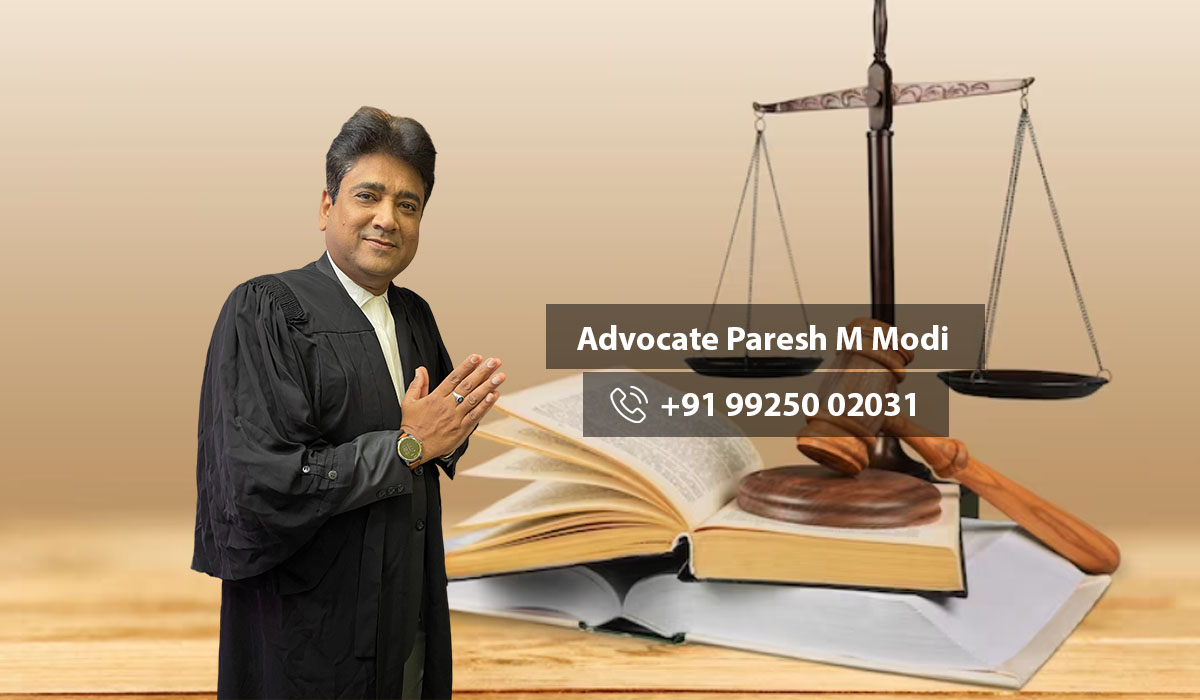
In the bustling city of Ahmedabad, Gujarat, legal matters concerning banking laws, especially those related to cheque dishonor cases, often demand expert guidance and representation. Among the distinguished legal professionals in this domain, Advocate Paresh M Modi stands out as a beacon of expertise and proficiency. With a rich repertoire of experience and a commitment to legal excellence, Advocate Modi has carved a niche for himself in the legal landscape of Ahmedabad.


Legal Expertise in Banking Law:

Advocate Paresh M Modi specializes in banking law, encompassing a wide array of legal aspects related to banking and financial transactions. Banking law is a complex and dynamic field that encompasses various regulations, statutes, and judicial precedents governing the functioning of banks, financial institutions, and their interactions with customers and stakeholders. It covers areas such as loan agreements, debt recovery, negotiable instruments, banking frauds, and dispute resolution.

With a profound understanding of the intricacies of banking law, Advocate Modi offers comprehensive legal services tailored to the specific needs of his clients. Whether it involves advising banks and financial institutions on regulatory compliance, representing clients in banking disputes, or facilitating negotiations for out-of-court settlements, Advocate Modi’s expertise ensures effective legal solutions and strategic advocacy.


Cheque Dishonor Cases:

Cheque dishonor cases, often arising from the non-payment or insufficient funds in a bank account, are a common legal issue encountered by individuals and businesses in Ahmedabad and across India. These cases typically involve the dishonor of post-dated cheques, stale cheques, or cheques issued without sufficient funds, leading to legal proceedings under the Negotiable Instruments Act, 1881.

Advocate Paresh M Modi possesses profound proficiency in handling cheque dishonor cases, representing both plaintiffs and defendants with equal diligence and competence. From initiating legal action against defaulters to defending clients accused of cheque dishonor, Advocate Modi’s legal acumen and courtroom prowess ensure optimal outcomes for his clients.


Key Legal Services Offered by Advocate Paresh M Modi:

1. Legal Consultation and Advisory: Advocate Modi provides comprehensive legal consultation and advisory services to individuals, businesses, banks, and financial institutions seeking guidance on banking laws, cheque dishonor cases, debt recovery mechanisms, and compliance requirements.

2. Litigation and Dispute Resolution: With a strong focus on litigation, Advocate Modi represents clients in various forums, including district courts, high courts, and specialized tribunals, handling diverse banking disputes, cheque bounce cases, and appeals with utmost professionalism and dedication.

3. Negotiation and Settlement: Recognizing the value of alternative dispute resolution mechanisms, Advocate Modi adeptly negotiates settlements and out-of-court resolutions in cheque dishonor cases, striving to protect the interests of his clients while fostering amicable resolutions wherever possible.

4. Legal Representation in Arbitration: In matters requiring arbitration or alternative dispute resolution mechanisms, Advocate Modi offers proficient legal representation, ensuring that his clients’ rights and interests are safeguarded throughout the arbitration process.

5. Legal Documentation and Compliance: Advocate Modi assists clients in drafting and reviewing legal documents, contracts, agreements, and compliance policies related to banking transactions, ensuring adherence to statutory requirements and mitigating legal risks.


Why Choose Advocate Paresh M Modi:

1. Expertise and Experience: With years of experience and specialized expertise in banking law and cheque dishonor cases, Advocate Modi delivers exceptional legal services characterized by proficiency, precision, and professionalism.

2. Client-Centric Approach: Advocate Modi prioritizes the needs and objectives of his clients, striving to provide personalized legal solutions tailored to their specific circumstances and concerns.

3. Strategic Advocacy: Known for his strategic acumen and persuasive advocacy skills, Advocate Modi diligently represents his clients’ interests in legal proceedings, aiming for favorable outcomes and effective resolution of disputes.

4. Ethical Practice: Advocate Modi upholds the highest standards of ethical conduct and integrity in his legal practice, earning the trust and respect of clients, peers, and the judiciary alike.

5. Accessibility and Communication: Advocate Modi maintains open channels of communication with his clients, ensuring transparency, accessibility, and regular updates on the progress of their legal matters.

In conclusion, Advocate Paresh M Modi emerges as a prominent figure in the legal fraternity of Ahmedabad, Gujarat, renowned for his expertise in banking law and proficiency in handling cheque dishonor cases. With a steadfast commitment to legal excellence, ethical practice, and client satisfaction, Advocate Modi continues to be a trusted ally and advocate for individuals, businesses, banks, and financial institutions navigating the complexities of banking-related legal matters in Ahmedabad and beyond.

for any banking matter, banking law disputes, payment and settlement act cases, cheque Return Cases, Credit card Disputes, Home Loan Disputes, Car loan Disputes, Failure of Payment, Money Recovery Cases, you may contact the Best Advocate for Banking Matters, Advocate Paresh M Modi, Call and Book the Appointment on Mobile No. 9925002031


High Court Advocate | Paresh M Modi | Anticipatory Bail | Regular Bail | Discharge Application | FIR Quashing | Cheque Return Appeal | Gujarat | Ahmedabad


Advocate Paresh M Modi, based in Ahmedabad, Gujarat, is a renowned legal expert with extensive experience in criminal law, specializing in handling complex cases across multiple judicial forums, including the High Court of Gujarat and Sessions Courts. His dedication, thorough understanding of legal nuances, and strong litigation skills make him a trusted name in the legal fraternity. he is one of the Best Criminal lawyers in Gujarat High Court at Ahmedabad, he is renowned for his expertise in high-profile and complex criminal cases across multiple legal domains. As a practicing Advocate in the High Courts of Gujarat, Bombay, and Delhi, he provides strategic representation for Bail, Anticipatory Bail, Regular Bail, and FIR Quashing cases. Operating extensively across Ahmedabad, Vadodara, Rajkot, Surat, Mahesana, Banaskantha District, Sabarkantha, Kutch District and Gandhinagar districts, he brings a depth of experience and knowledge to each case.


Advocate Modi’s practice covers critical legal frameworks, including the Drugs & Cosmetic Act 1940, The Foreign Exchange Management Act (FEMA), Central Bureau of Investigation (CBI) cases, Enforcement Directorate (ED) cases, Economic Offences Wing (EOW) cases, and the Prevention of Money Laundering Act (PMLA). His expertise also encompasses cases under the Securities and Exchange Board of India (SEBI) Act, Protection of Children from Sexual Offences (POCSO) Act, Directorate of Revenue Intelligence (DRI) Department, The Gujarat Prohibition (GP) Act, Prevention of Corruption Act (PCA), Juvenile Justice (Care and Protection of Children) Act, Narcotic Drugs and Psychotropic Substances (NDPS) Act, and the Anti-Corruption Bureau (ACB) Act. His thorough understanding of these laws and unmatched courtroom advocacy make him a sought-after advocate for clients requiring specialized legal knowledge. Advocate Modi’s dedication to justice and his adept handling of sensitive and complex matters place him among the most reliable and trusted legal professionals in Gujarat, providing clients with strong, dependable legal representation.

Advocate Paresh M Modi, based in Ahmedabad, Gujarat, is a renowned legal expert with extensive experience in criminal law, specializing in handling complex cases across multiple judicial forums, including the High Court of Gujarat and Sessions Courts. His dedication, thorough understanding of legal nuances, and strong litigation skills make him a trusted name in the legal fraternity.


Practice Areas

  1. Anticipatory Bail Applications
    Advocate Paresh M. Modi has a proven track record of successfully representing clients in anticipatory bail applications under Section 438 of the Criminal Procedure Code (CrPC). He ensures his clients’ rights are safeguarded by presenting a compelling case that highlights the absence of prima facie evidence, mitigating circumstances, and legal precedents.
  2. Regular Bail Applications
    Specializing in regular bail under Section 439 of CrPC, he advocates for clients’ release by focusing on procedural fairness, factual analysis, and ensuring adherence to legal principles. His expertise extends to cases involving white-collar crimes, cyber fraud, financial disputes, and general offenses under the Indian Penal Code (IPC).
  3. Discharge Applications
    Advocate Modi is adept at filing discharge applications under Section 227 of CrPC, aiming to release his clients from baseless allegations or charges during the pre-trial stage. His meticulous approach often results in successful outcomes in Sessions Courts.
  4. FIR Quashing Cases
    At the High Court of Gujarat, Advocate Modi handles FIR quashing petitions under Section 482 of CrPC, focusing on preventing misuse of the law and ensuring justice. He specializes in cases involving false accusations, abuse of process, and malicious prosecution.

Specialist in Cheque Return Cases – NI Act Section 138

Advocate Paresh M. Modi is a leading name in handling cheque return cases under Section 138 of the Negotiable Instruments Act (NI Act). These cases involve dishonored cheques due to insufficient funds or other reasons. His approach includes:

  • Filing and Defending Complaints: He represents both complainants and accused parties in cheque bounce cases at Trial Courts, ensuring the law’s procedural and substantive aspects are addressed.
  • Criminal Appeals and Revisions: Advocate Modi handles appeals and revision applications in Sessions Courts and the High Court, challenging or defending judgments passed by lower courts.
  • Focus on Resolution: He emphasizes swift and amicable resolution through legal means, whether by securing penalties for the complainant or negotiating settlements.

Legal Words and Definitions


Loan

A loan is a sum of money borrowed from a lender, such as a bank or financial institution, that must be repaid with interest over a specified period.


Personal Loan

A personal loan is an unsecured loan provided for personal expenses, such as medical emergencies, travel, or home improvement, without collateral.


Business Loan

A business loan is a financial product designed to support business operations, including expansion, purchasing inventory, or meeting cash flow needs.


Online

Online refers to digital platforms or internet-based services used for accessing, applying for, or managing financial products like loans and credit.


Credit Card

A credit card is a financial tool issued by a bank, allowing users to borrow funds for purchases with a predetermined credit limit.


Late Payment

Late payment occurs when a borrower fails to pay the agreed installment or due amount by the specified deadline, often leading to penalties.


Settlement

Settlement is a mutual agreement between parties to resolve a financial or legal dispute, typically involving partial payment or revised terms.


Compromise

Compromise refers to an agreement where conflicting parties make concessions to settle disputes amicably.


Legal

Legal pertains to matters governed by law, including compliance, enforcement, and dispute resolution.


Solution

A solution is a method or strategy to address and resolve financial, legal, or personal issues effectively.


Disputes

Disputes are disagreements or conflicts, often financial or legal, that require resolution through negotiation, mediation, or legal intervention.


Matters

Matters refer to issues, cases, or concerns requiring attention or action, particularly in legal or financial contexts.


Remedy

A remedy is a means of addressing a wrong or resolving a dispute, often provided through legal or financial actions.


Services

Services refer to professional support or assistance offered in areas such as legal advice, financial planning, or loan management.


Due Payment

A due payment is the amount owed by a borrower to a lender or creditor that is yet to be paid within the agreed timeline.


Home Loan

A home loan is a secured loan provided to individuals for purchasing, constructing, or renovating residential properties.


Mortgage Loan

A mortgage loan is a secured loan where real estate property is pledged as collateral to secure the borrowed amount.


Unsecured

Unsecured refers to loans or financial products not backed by collateral, relying solely on the borrower’s creditworthiness.


Secured

Secured pertains to loans that are backed by collateral, such as property or assets, ensuring repayment to the lender.


Cheque

A cheque is a written order directing a bank to pay a specified amount from the issuer’s account to the named recipient.


ECS

Electronic Clearing System (ECS) is an electronic mode of transferring funds for recurring transactions like loan EMIs or utility bills.


NACH

National Automated Clearing House (NACH) is an electronic payment system facilitating bulk transactions, including salaries, pensions, and EMI payments.


Mandate

A mandate is an authorization given by an account holder to a bank or institution to debit their account for specific transactions.


Court

A court is a legal institution authorized to adjudicate disputes and enforce laws through judicial processes.


Case

A case is a legal matter brought before a court for resolution, often involving disputes, violations, or claims.


Bank

A bank is a financial institution that offers services such as deposits, loans, and credit facilities to individuals and businesses.


Account

An account is a financial arrangement with a bank or institution for managing deposits, withdrawals, and transactions.


Recovery

Recovery refers to the process of collecting overdue payments or debts from borrowers or defaulters.


Agent

An agent is an individual or entity authorized to act on behalf of another, often in debt recovery or financial transactions.


Harassments

Harassments refer to unethical or aggressive actions, often by creditors or agents, to recover overdue payments.


Overdue

Overdue describes payments or obligations that have not been settled by the agreed deadline.


EMI

Equated Monthly Installment (EMI) is a fixed monthly payment made towards repaying a loan over a set period.


Creditors

Creditors are entities or individuals who lend money or extend credit and expect repayment from borrowers.


Debtors

Debtors are individuals or entities who owe money to creditors or lenders.


Finance

Finance refers to the management of money, including borrowing, lending, saving, and investing.


Financer

A financer is a person or entity that provides funds for business, personal, or investment purposes.


NBFC

Non-Banking Financial Companies (NBFCs) are financial institutions that offer services like loans and investments but do not hold banking licenses.


Private

Private refers to non-governmental financial institutions or services offered by privately-owned entities.


Company

A company is a legal entity engaged in business activities, including financial services such as lending and investment.


Advocates

Advocates are legal professionals authorized to represent clients in courts and provide legal advice.


Lawyers

Lawyers are trained legal practitioners who offer legal services, advice, and representation in legal matters.


Vakil

Vakil is a term commonly used in India to refer to an advocate or lawyer.


Mediation

Mediation is an alternative dispute resolution process where a neutral mediator helps conflicting parties reach an agreement.


Near

Near refers to proximity or closeness to a specific location or service provider.


Near Me

Near Me refers to services or professionals located close to the user’s current or specified location.


Ahmedabad

Ahmedabad is a major city in Gujarat, India, known for its legal, financial, and business services.


Gujarat

Gujarat is a state in western India, known for its robust economy, legal infrastructure, and financial services.


Contact Advocate Paresh M Modi

Mobile: +91 9925002031 (Only WhatsApp sms – Timing 9 am to 9 pm)
Office Landline: +91-79-48001468 (For  Appointment Only – Timing 10.30 am to 6.30 pm – On Working Days)
Email: advocatepmmodi@gmail.com
Website: www.advocatepmmodi.in
Office Address:
Office No. C/112, Supath-2 Complex, Opp. Kohinoor Plaza Hotel, Near Old Wadaj Bus Stand, Ashram Road, Ahmedabad – 380013, Gujarat


Cheque Bounce Lawyer in Ahmedabad | 09925002031

Categories Criminal Cases

ગુજરાતમાં પ્રિવેન્શન ઓફ મની લોન્ડરિંગ એક્ટ વકીલ | 9925002031 | અમદાવાદ ગુજરાતમાં PLMA એક્ટ કેસના એડવોકેટ | એડવોકેટ પરેશ એમ મોદી

ગુજરાતમાં પ્રિવેન્શન ઓફ મની લોન્ડરિંગ એક્ટ વકીલ | 9925002031 | અમદાવાદ ગુજરાતમાં PLMA એક્ટ કેસના એડવોકેટ | એડવોકેટ પરેશ એમ મોદી

ભારતમાં પ્રિવેન્શન ઓફ મની લોન્ડરિંગ એક્ટ (PMLA) એ મની લોન્ડરિંગ અને સંબંધિત ગુનાઓને રોકવા અને તેનો સામનો કરવા માટે ઘડવામાં આવેલ કાનૂની માળખું છે. મની લોન્ડરિંગ એ ગેરકાયદેસર રીતે મેળવેલી આવક (જેમ કે ગુનાહિત પ્રવૃત્તિઓમાંથી)ને બેંકિંગ ટ્રાન્સફર અથવા કોમર્શિયલ ટ્રાન્ઝેક્શનના જટિલ ક્રમમાંથી પસાર કરીને કાયદેસર દેખાડવાની પ્રક્રિયાનો ઉલ્લેખ કરે છે. પીએમએલએ સૌપ્રથમ 2002 માં ઘડવામાં આવ્યું હતું અને તેની જોગવાઈઓને મજબૂત કરવા માટે તેમાં અનુગામી સુધારા કરવામાં આવ્યા છે.

ભારતમાં પ્રિવેન્શન ઓફ મની લોન્ડરિંગ એક્ટની મુખ્ય લાક્ષણિકતાઓ:

  1. **ગુનાની વ્યાખ્યા:**

– મની લોન્ડરિંગને ગુનાની કોઈપણ આવકને બિનજરૂરી મિલકત તરીકે રજૂ કરવાની પ્રક્રિયા તરીકે વ્યાખ્યાયિત કરવામાં આવે છે.  આ અધિનિયમ મની લોન્ડરિંગને ગુનાહિત બનાવે છે અને ગુનાની આવકને જોડવા અને જપ્ત કરવાની જોગવાઈ કરે છે.


  1. **નિયુક્ત સત્તાધિશો:**

– આ અધિનિયમ PMLA હેઠળના ગુનાઓની તપાસ અને કાર્યવાહી કરવા માટે એન્ફોર્સમેન્ટ ડિરેક્ટોરેટ (ED) ના ડિરેક્ટર સહિત વિવિધ સત્તાધિકારીઓને નિયુક્ત કરે છે.


  1. **ગુનાઓ અને સજાઓ:**

– આ અધિનિયમ મની લોન્ડરિંગ સંબંધિત અનેક ગુનાઓની યાદી આપે છે, જેમાં અપરાધની આવકના સ્ત્રોતને છૂપાવવા, હસ્તગત કરવા, કબજામાં રાખવા અને તેમને બિનજરૂરી મિલકત તરીકે રજૂ કરવા સહિત.ના ગુનાઓ સામેલ છે, ગુનાની સજામાં કેદ અને દંડનો સમાવેશ થઈ શકે છે. સજાની તીવ્રતા ગુનાની પ્રકૃતિ અને હદ પર આધારિત છે.


  1. **જોડાણ અને જપ્તી:**

– આ અધિનિયમ સત્તાધિકારીઓને ગુનાની આવકમાંથી મેળવેલી મિલકતો જપ્ત કરવા અને પછીથી જપ્ત કરવાની સત્તા આપે છે. મની લોન્ડરિંગ પ્રવૃત્તિઓને રોકવા માટે આ એક મહત્વપૂર્ણ સાધન છે.


  1. **અહેવાલ આપતી સંસ્થાઓની જવાબદારીઓ:**

– નાણાકીય સંસ્થાઓ, બેંકો અને નાણાકીય વ્યવહારો સાથે કામ કરતી અન્ય સંસ્થાઓને ‘રિપોર્ટિંગ એન્ટિટીઝ’ તરીકે નિયુક્ત કરવામાં આવે છે. તેઓએ વ્યવહારોના રેકોર્ડ જાળવવા, ગ્રાહકની ઓળખ ચકાસવા અને યોગ્ય અધિકારીઓને શંકાસ્પદ વ્યવહારોની જાણ કરવી જરૂરી છે.


  1. **નિર્ણાયક સત્તા:**

– એન્ફોર્સમેન્ટ ડિરેક્ટોરેટના નિયામક દ્વારા જારી કરાયેલ જોડાણ/જપ્તીના આદેશો સામેની અપીલો સાંભળવા માટે એક ન્યાયિક સત્તામંડળની સ્થાપના કરવામાં આવે છે.


  1. **એપેલેટ ટ્રિબ્યુનલ:**

– એડજ્યુડિકેટિંગ ઓથોરિટી દ્વારા પસાર કરાયેલા આદેશો સામે અપીલની સુનાવણી માટે એક એપેલેટ ટ્રિબ્યુનલની સ્થાપના કરવામાં આવી છે.


  1. **આંતરરાષ્ટ્રીય સહકાર:**

– આ અધિનિયમ મની લોન્ડરિંગના ગુનાઓની તપાસ અને કાર્યવાહીમાં આંતરરાષ્ટ્રીય સહયોગની સુવિધા આપે છે. તે વિદેશમાં સ્થિત ગુનાની આવકમાંથી મેળવેલી ભારતમાં મિલકતોની જોડાણ અને જપ્તી માટે પરવાનગી આપે છે.


  1. **સુધારાઓ:**

– ઉભરતા પડકારોનો સામનો કરવા અને કાયદાકીય માળખાને મજબૂત કરવા માટે આ અધિનિયમમાં વર્ષોથી સુધારો કરવામાં આવ્યો છે.


  1. **એન્ફોર્સમેન્ટ ડિરેક્ટોરેટ (ED):**

– નાણા મંત્રાલય હેઠળની ED, PMLA લાગુ કરવા માટે જવાબદાર પ્રાથમિક એજન્સી છે. તે મની લોન્ડરિંગ સંબંધિત કેસોની તપાસ અને કાર્યવાહી કરે છે.


ગુજરાતમાં PMLA કેસ એટર્ની | 9925002031 | અમદાવાદ ગુજરાતમાં PLMA એક્ટ બાબત વકીલ | એડવોકેટ પરેશ એમ મોદી

સારાંશમાં, ભારતમાં મની લોન્ડરિંગ નિવારણ અધિનિયમ એ એક વ્યાપક કાયદો છે જેનો હેતુ નાણાકીય ગુનાઓ સામેની લડતમાં આંતરરાષ્ટ્રીય સહયોગ માટે કડક સજા, સંપત્તિ જપ્તી અને મિકેનિઝમ્સ સ્થાપિત કરીને મની લોન્ડરિંગ પ્રવૃત્તિઓને રોકવાનો છે. તે નાણાકીય વ્યવસ્થાની અખંડિતતા જાળવવામાં અને કાનૂની હેતુઓ માટે ગેરકાયદેસર ભંડોળના ઉપયોગને રોકવામાં નિર્ણાયક ભૂમિકા ભજવે છે.

ગુજરાત ભારતમાં પ્રિવેન્શન ઓફ મની લોન્ડરિંગ એક્ટ (PMLA) મની લોન્ડરિંગ અને સંબંધિત ગુનાઓને રોકવા અને તેનો સામનો કરવા માટે સંબંધિત તમારા ફોજદારી કેસ માટે તમે એડવોકેટ પરેશ એમ મોદીનો સંપર્ક કરી શકો છો, મોબાઈલ નંબર 9925002031 પર કૉલ/વોટ્સએપ અથવા “advocatepmmodi@gmail.com” પર ઈમેલ કરી શકો છો.

High Court Advocate | Paresh M Modi | Anticipatory Bail | Regular Bail | Discharge Application | FIR Quashing | Cheque Return Appeal | Gujarat | Ahmedabad

Advocate Paresh M Modi, based in Ahmedabad, Gujarat, is a renowned legal expert with extensive experience in criminal law, specializing in handling complex cases across multiple judicial forums, including the High Court of Gujarat and Sessions Courts. His dedication, thorough understanding of legal nuances, and strong litigation skills make him a trusted name in the legal fraternity. he is one of the Best Criminal lawyers in Gujarat High Court at Ahmedabad, he is renowned for his expertise in high-profile and complex criminal cases across multiple legal domains. As a practicing Advocate in the High Courts of Gujarat, Bombay, and Delhi, he provides strategic representation for Bail, Anticipatory Bail, Regular Bail, and FIR Quashing cases. Operating extensively across Ahmedabad, Vadodara, Rajkot, Surat, Mahesana, Banaskantha District, Sabarkantha, Kutch District and Gandhinagar districts, he brings a depth of experience and knowledge to each case.

Advocate Modi’s practice covers critical legal frameworks, including the Drugs & Cosmetic Act 1940, The Foreign Exchange Management Act (FEMA), Central Bureau of Investigation (CBI) cases, Enforcement Directorate (ED) cases, Economic Offences Wing (EOW) cases, and the Prevention of Money Laundering Act (PMLA). His expertise also encompasses cases under the Securities and Exchange Board of India (SEBI) Act, Protection of Children from Sexual Offences (POCSO) Act, Directorate of Revenue Intelligence (DRI) Department, The Gujarat Prohibition (GP) Act, Prevention of Corruption Act (PCA), Juvenile Justice (Care and Protection of Children) Act, Narcotic Drugs and Psychotropic Substances (NDPS) Act, and the Anti-Corruption Bureau (ACB) Act. His thorough understanding of these laws and unmatched courtroom advocacy make him a sought-after advocate for clients requiring specialized legal knowledge. Advocate Modi’s dedication to justice and his adept handling of sensitive and complex matters place him among the most reliable and trusted legal professionals in Gujarat, providing clients with strong, dependable legal representation.

Advocate Paresh M Modi, based in Ahmedabad, Gujarat, is a renowned legal expert with extensive experience in criminal law, specializing in handling complex cases across multiple judicial forums, including the High Court of Gujarat and Sessions Courts. His dedication, thorough understanding of legal nuances, and strong litigation skills make him a trusted name in the legal fraternity.

Practice Areas

  1. Anticipatory Bail Applications
    Advocate Paresh M. Modi has a proven track record of successfully representing clients in anticipatory bail applications under Section 438 of the Criminal Procedure Code (CrPC). He ensures his clients’ rights are safeguarded by presenting a compelling case that highlights the absence of prima facie evidence, mitigating circumstances, and legal precedents.
  2. Regular Bail Applications
    Specializing in regular bail under Section 439 of CrPC, he advocates for clients’ release by focusing on procedural fairness, factual analysis, and ensuring adherence to legal principles. His expertise extends to cases involving white-collar crimes, cyber fraud, financial disputes, and general offenses under the Indian Penal Code (IPC).
  3. Discharge Applications
    Advocate Modi is adept at filing discharge applications under Section 227 of CrPC, aiming to release his clients from baseless allegations or charges during the pre-trial stage. His meticulous approach often results in successful outcomes in Sessions Courts.
  4. FIR Quashing Cases
    At the High Court of Gujarat, Advocate Modi handles FIR quashing petitions under Section 482 of CrPC, focusing on preventing misuse of the law and ensuring justice. He specializes in cases involving false accusations, abuse of process, and malicious prosecution.

Specialist in Cheque Return Cases – NI Act Section 138

Advocate Paresh M. Modi is a leading name in handling cheque return cases under Section 138 of the Negotiable Instruments Act (NI Act). These cases involve dishonored cheques due to insufficient funds or other reasons. His approach includes:

  • Filing and Defending Complaints: He represents both complainants and accused parties in cheque bounce cases at Trial Courts, ensuring the law’s procedural and substantive aspects are addressed.
  • Criminal Appeals and Revisions: Advocate Modi handles appeals and revision applications in Sessions Courts and the High Court, challenging or defending judgments passed by lower courts.
  • Focus on Resolution: He emphasizes swift and amicable resolution through legal means, whether by securing penalties for the complainant or negotiating settlements.

Contact Information

For legal consultation or representation in matters of Anticipatory bail, Regular bail, Discharge Applications, FIR Quashing, Cheque Return Cases, or Criminal Appeals, connect with Advocate Paresh M. Modi through his official website: www.advocatepmmodi.in. you can call or WhatsApp sms on Mo. 9925002031. (Time 9 am to 9 pm)

Categories Criminal Cases

ગુજરાત ભારતમાં કસ્ટમ્સ એક્ટ વકીલ | 9925002031 | ગુજરાત ભારતમાં કસ્ટમ્સ લો એડવોકેટ | એડવોકેટ પરેશ એમ મોદી

ગુજરાત ભારતમાં કસ્ટમ્સ એક્ટ વકીલ | 9925002031 | ગુજરાત ભારતમાં કસ્ટમ્સ લો એડવોકેટ | એડવોકેટ પરેશ એમ મોદી

કસ્ટમ્સ એક્ટ, 1962, ભારતમાં પ્રાથમિક કાયદો છે જે માલની આયાત અને નિકાસને નિયંત્રિત કરે છે અને કસ્ટમ્સ ડ્યુટીનું નિયમન કરે છે. તે સરકારને કસ્ટમ ડ્યુટી વસૂલવા અને એકત્રિત કરવાની સત્તા આપે છે અને માલની ગેરકાયદેસર આયાત અને નિકાસને રોકવા માટે વિવિધ પગલાંની જોગવાઈ પણ કરે છે. અહીં ભારતમાં કસ્ટમ્સ એક્ટના કેટલાક મુખ્ય પાસાઓ છે:

  1. **કસ્ટમ અધિકારીઓની સત્તાઓ:**

– કસ્ટમ અધિકારીઓ પાસે દાણચોરી અથવા ઓછા મૂલ્યની શંકાસ્પદ માલસામાનનું નિરીક્ષણ, શોધ અને જપ્ત કરવાની વ્યાપક સત્તા છે, તેઓ સામાનની આયાત કે નિકાસ સંબંધિત વ્યક્તિઓ, પુસ્તકો, રેકોર્ડ્સ અને દસ્તાવેજોની પણ તપાસ કરી શકે છે.

  1. **ફરજો અને પ્રતિબંધો:**

– આ કાયદો ચોક્કસ માલની આયાત અને નિકાસ સંબંધિત ફરજો અને પ્રતિબંધોની રૂપરેખા આપે છે, તે માલનું વર્ગીકરણ કરે છે અને વિવિધ શ્રેણીઓ માટે ડ્યુટીના દરો નિર્ધારિત કરે છે.

  1. **ગુનાઓ અને દંડ:**

– કસ્ટમ્સ અધિનિયમ વિવિધ ગુનાઓને સ્પષ્ટ કરે છે, જેમ કે દાણચોરી, ડ્યુટીની ચોરી અને ખોટી માહિતી આપવી, ગુનાઓ માટે દંડમાં દંડ, માલ જપ્તી અને કેદનો સમાવેશ થઈ શકે છે.

  1. **ચુકાદો:**

– કસ્ટમ સત્તાવાળાઓ ગુનો આચરવામાં આવ્યો છે કે કેમ તે નિર્ધારિત કરવા માટે નિર્ણયની કાર્યવાહી શરૂ કરી શકે છે,  નિર્ણાયક અધિકારીઓને દંડ લાદવાની અને જપ્ત કરાયેલ માલને મુક્ત કરવાનો આદેશ આપવાની સત્તા છે.

  1. **જપ્તી:**

– આ અધિનિયમ કાયદાના ઉલ્લંઘનમાં આયાત અથવા નિકાસ કરાયેલ માલસામાનને જપ્ત કરવાની મંજૂરી આપે છે, ગુનાના કમિશનમાં વપરાતા કન્વેયન્સ સુધી જપ્તી લંબાવી શકે છે.

  1. **અપીલ:**

– આ કાયદો કસ્ટમ્સ, એક્સાઈઝ એન્ડ સર્વિસ ટેક્સ એપેલેટ ટ્રિબ્યુનલ (CESTAT) અને હાઈકોર્ટ સહિત ઉચ્ચ એપેલેટ ફોરમમાં નિર્ણય કરતા સત્તાવાળાઓના આદેશો સામે અપીલ કરવાનો અધિકાર પ્રદાન કરે છે.

  1. **પ્રોસિક્યુશન:**

– ચુકાદા ઉપરાંત, આ અધિનિયમ અમુક કેસોમાં ફોજદારી કાર્યવાહી શરૂ કરવાની મંજૂરી આપે છે, ફોજદારી કાર્યવાહીમાં દંડ અને કેદ થઈ શકે છે.

  1. **કોર્ટ પ્રક્રિયા:**

– કસ્ટમ્સ અધિનિયમ હેઠળના કેસ કસ્ટમ સત્તાવાળાઓ દ્વારા ચુકાદા અને ઉચ્ચ ફોરમમાં અનુગામી અપીલને સમાવિષ્ટ બે-સ્તરની પ્રક્રિયામાંથી પસાર થઈ શકે છે, ફોજદારી કાર્યવાહીની સુનાવણી સામાન્ય રીતે મેજિસ્ટ્રેટ કોર્ટ દ્વારા કરવામાં આવે છે.


ગુજરાત ભારતમાં એરપોર્ટ કસ્ટમ્સ કેસના વકીલ | 9925002031 | ગુજરાત ભારતમાં એરપોર્ટ પર કસ્ટમ્સ કેસ માટે શ્રેષ્ઠ વકીલ | એડવોકેટ પરેશ એમ મોદી

એ નોંધવું અગત્યનું છે કે ગુનાની પ્રકૃતિ અને ગંભીરતાને આધારે સજા અને અદાલતી પ્રક્રિયાઓ સંબંધિત ચોક્કસ વિગતો બદલાઈ શકે છે. આંતરરાષ્ટ્રીય વેપાર સાથે સંકળાયેલા વ્યક્તિઓ અને વ્યવસાયોને અનુપાલન સુનિશ્ચિત કરવા અને કાનૂની પરિણામો ટાળવા માટે કસ્ટમ્સ એક્ટની જોગવાઈઓથી પરિચિત રહેવાની સલાહ આપવામાં આવે છે. ચોક્કસ કેસ માટે કાનૂની સલાહ લેવી જોઈએ, કારણ કે કાયદામાં સુધારા અને સુધારાઓ થઈ શકે છે.

ભારતમાં સોનાની દાણચોરી માટેના દંડને કસ્ટમ્સ એક્ટ, 1962 સહિત વિવિધ કાયદાઓ દ્વારા સંચાલિત કરવામાં આવે છે. એ નોંધવું અગત્યનું છે કે કાયદા અને દંડ બદલાવાને આધીન છે, તેથી સૌથી તાજેતરના અપડેટ્સ માટે તપાસ કરવી અથવા નવીનતમ માટે કાનૂની વ્યાવસાયિકો સાથે સંપર્ક કરવાની સલાહ આપવામાં આવે છે.

ભારતમાં એરપોર્ટ પર સોનાની દાણચોરીને લગતા દંડ અંગે અહીં કેટલીક સામાન્ય વિગતો છે:

  1. માલની જપ્તી:
  • જો કોઈ વ્યક્તિ સોનાની દાણચોરી કરતી પકડાય છે, તો કસ્ટમ સત્તાવાળાઓને દાણચોરીના પ્રયાસમાં સામેલ સોનું અને અન્ય કોઈપણ વસ્તુઓ જપ્ત કરવાની સત્તા છે.
  1. દંડ અને પેંનલ્ટી:
  • કસ્ટમ્સ એક્ટ સોનાની દાણચોરી સહિત દાણચોરી સંબંધિત ગુનાઓ માટે દંડ અને દંડ લાદવાની જોગવાઈ કરે છે.
  • દંડ દાણચોરી કરેલા માલના મૂલ્યની ટકાવારી હોઈ શકે છે અને દંડ પણ વસૂલવામાં આવી શકે છે.
  1. કાર્યવાહી:
  • દંડ ઉપરાંત, સોનાની દાણચોરીમાં સામેલ વ્યક્તિઓ સામે ફોજદારી કાર્યવાહી શરૂ કરી શકાય છે.
  • ગુનાની ગંભીરતાને આધારે ફોજદારી કેસો કેદ, દંડ અથવા બંને થઈ શકે છે.
  1. નિર્ણય પ્રક્રિયા:
  • કસ્ટમ સત્તાવાળાઓ ગુનાની પ્રકૃતિ અને હદ નક્કી કરવા માટે નિર્ણય પ્રક્રિયાને અનુસરે છે.
  • નિર્ણાયક અધિકારીઓને દંડ અને જપ્તી અંગે નિર્ણય લેવાની સત્તા છે.
  1. અપીલ:
  • નિર્ણાયક અધિકારીઓના નિર્ણયોથી નારાજ વ્યક્તિઓને કસ્ટમ્સ, એક્સાઈઝ અને સર્વિસ ટેક્સ એપેલેટ ટ્રિબ્યુનલ (CESTAT) અને હાઈકોર્ટ સહિત ઉચ્ચ ફોરમમાં અપીલ કરવાનો અધિકાર છે.

દાણચોરી એ એક ગંભીર ગુનો છે, અને દાણચોરીના માલના જથ્થા અને મૂલ્ય જેવા પરિબળોને આધારે દંડ અલગ-અલગ હોઈ શકે છે તેના પર ભાર મૂકવો મહત્વપૂર્ણ છે. વધુમાં, મારા છેલ્લા અપડેટ પછી કાયદાઓ અથવા નિયમોમાં ફેરફારો થઈ શકે છે. સૌથી સચોટ અને અદ્યતન માહિતી માટે, કાનૂની નિષ્ણાતો સાથે સંપર્ક કરવા અથવા સંબંધિત કાનૂની ગ્રંથો અને સૂચનાઓના નવીનતમ સંસ્કરણોનો સંદર્ભ લેવાની ભલામણ કરવામાં આવે છે. કસ્ટમ્સ એક્ટની બાબતો માટે તમે એડવોકેટ પરેશ એમ મોદીનો મોબાઈલ નંબર 9925002031 પર સંપર્ક કરી શકો છો અથવા “advocatepmmodi@gmail.com” પર મેઇલ કરો

High Court Advocate | Paresh M Modi | Anticipatory Bail | Regular Bail | Discharge Application | FIR Quashing | Cheque Return Appeal | Gujarat | Ahmedabad

Advocate Paresh M Modi, based in Ahmedabad, Gujarat, is a renowned legal expert with extensive experience in criminal law, specializing in handling complex cases across multiple judicial forums, including the High Court of Gujarat and Sessions Courts. His dedication, thorough understanding of legal nuances, and strong litigation skills make him a trusted name in the legal fraternity.

Practice Areas

  1. Anticipatory Bail Applications
    Advocate Paresh M Modi has a proven track record of successfully representing clients in anticipatory bail applications under Section 438 of the Criminal Procedure Code (CrPC). He ensures his clients’ rights are safeguarded by presenting a compelling case that highlights the absence of prima facie evidence, mitigating circumstances, and legal precedents.
  2. Regular Bail Applications
    Specializing in regular bail under Section 439 of CrPC, he advocates for clients’ release by focusing on procedural fairness, factual analysis, and ensuring adherence to legal principles. His expertise extends to cases involving white-collar crimes, cyber fraud, financial disputes, and general offenses under the Indian Penal Code (IPC).
  3. Discharge Applications
    Advocate Modi is adept at filing discharge applications under Section 227 of CrPC, aiming to release his clients from baseless allegations or charges during the pre-trial stage. His meticulous approach often results in successful outcomes in Sessions Courts.
  4. FIR Quashing Cases
    At the High Court of Gujarat, Advocate Modi handles FIR quashing petitions under Section 482 of CrPC, focusing on preventing misuse of the law and ensuring justice. He specializes in cases involving false accusations, abuse of process, and malicious prosecution.

Specialist in Cheque Return Cases – NI Act Section 138

Advocate Paresh M. Modi is a leading name in handling cheque return cases under Section 138 of the Negotiable Instruments Act (NI Act). These cases involve dishonored cheques due to insufficient funds or other reasons. His approach includes:

  • Filing and Defending Complaints: He represents both complainants and accused parties in cheque bounce cases at Trial Courts, ensuring the law’s procedural and substantive aspects are addressed.
  • Criminal Appeals and Revisions: Advocate Modi handles appeals and revision applications in Sessions Courts and the High Court, challenging or defending judgments passed by lower courts.
  • Focus on Resolution: He emphasizes swift and amicable resolution through legal means, whether by securing penalties for the complainant or negotiating settlements.

Contact Information

For legal consultation or representation in matters of Anticipatory bail, Regular bail, Discharge Applications, FIR Quashing, Cheque Return Cases, or Criminal Appeals, connect with Advocate Paresh M Modi through his official website: www.advocatepmmodi.in. You can contact Call / WhatsApp on Mobile no. 9925002031. (Timing 9 am to 9 pm)

Categories Criminal Cases

POCSO Case Attorney in Ahmedabad | 9925002031 | POCSO Law Vakil in Ahmedabad Gujarat | Advocate Paresh M Modi


POCSO case lawyer in Ahmedabad | 9925002031 | POCSO Act  Advocate in Ahmedabad Gujarat | Advocate Paresh M Modi


The Protection of Children from Sexual Offences (POCSO) Act is a comprehensive law in India that addresses and aims to protect children from sexual abuse and exploitation. The Act was enacted in 2012 to provide a legal framework for the protection of children below the age of 18 years from sexual offenses. Here are some key details about the POCSO Act:

  1. Definition of Sexual Offences: The POCSO Act defines various forms of sexual offenses against children, including but not limited to penetrative and non-penetrative assault, sexual harassment, using a child for pornographic purposes, and more.
  1. Age of Consent:  The Act considers any sexual activity with a child below the age of 18 as an offense, regardless of the child’s consent.
  1. Special Courts:  The POCSO Act mandates the establishment of special courts for the speedy trial of cases related to child sexual abuse. These courts are expected to complete the trial within a specified timeframe.
  1. Protection of the Child’s Identity:  The Act emphasizes the protection of the identity of the child victim. It prohibits the disclosure of the child’s identity during the investigation and trial proceedings.
  1. Reporting Obligations:  The Act imposes an obligation on individuals, including medical professionals, teachers, and parents, to report instances of child sexual abuse. Failure to report such incidents is considered an offense.

POCSO Case Attorney in Ahmedabad | 9925002031 | POCSO Law Vakil in Ahmedabad Gujarat | Advocate Paresh M Modi

Punishments under POCSO Act:

The POCSO Act prescribes stringent punishments for those found guilty of committing sexual offenses against children. The severity of the punishment depends on the nature of the offense. Some of the key punishments include:

  1. Penetrative Sexual Assault: Punishment can range from a minimum of (10) ten years of imprisonment to life imprisonment, and in some cases, the death penalty.
  2. Non-Penetrative Sexual Assault: The punishment can vary from a minimum of (3) three years of imprisonment to a maximum of five years.
  3. Sexual Harassment: Punishment for sexual harassment under the Act can range from a minimum of (3) three years of imprisonment to a maximum of (5) five years.
  4. Using a Child for Pornographic Purposes: The punishment includes imprisonment for a term which may extend to (5) five years and a fine.

It’s important to note that the Act is designed to be child-friendly, with special procedures for recording the evidence of the child and providing support to the victim during the legal process. The Act aims to ensure the swift delivery of justice in cases of child sexual abuse and to create a protective environment for children.

For the injustice done to your child under POCSO Act or the case against you under POCSO Act meet Advocate Paresh M Modi in person today, Call or WhatsApp for his appointment, Mobile 9925002031, E-mail ID advocatepmmodi@gmail.com


Question and Answers


Here are the Top questions and answers regarding the Protection of Children from Sexual Offences (POCSO) Act in India. These questions cover aspects commonly raised by advocates, clients, and concerned parents. This Act aims to protect children from sexual offenses and ensure a child-friendly judicial process.

  1. What is the POCSO Act?

The POCSO Act is the Protection of Children from Sexual Offences Act, enacted in 2012 to safeguard children under 18 from sexual abuse and exploitation.

  1. Who qualifies as a “child” under the POCSO Act?

A child is defined as anyone below the age of 18.

  1. What types of offenses are covered under the POCSO Act?

Offenses include sexual assault, sexual harassment, pornography, and other sexual abuse targeting minors.

  1. Does the POCSO Act criminalize consensual relationships between minors?

Yes, sexual activities between minors are considered offenses, even if consensual, as both parties are below 18.

  1. What is the punishment for sexual assault under the POCSO Act?

Punishments vary but can range from rigorous imprisonment of 3 years to life imprisonment, depending on the severity of the offense.

  1. What is “aggravated sexual assault” under POCSO?

Aggravated sexual assault involves abuse by a person in a position of authority, such as a family member, police officer, or teacher.

  1. Does the POCSO Act recognize both boys and girls as victims?

Yes, the Act is gender-neutral, protecting all minors regardless of gender.

  1. What is the role of a Special Court under POCSO?

Special Courts are designated for POCSO cases to ensure quick trials and a child-sensitive process.

  1. Are police allowed to take child victims to the police station?

No, police are prohibited from taking child victims to the police station for questioning.

  1. What is the punishment for storing or distributing child pornography?

Individuals can face imprisonment from 5 years to 7 years and fines.

  1. How are child witnesses treated during trial?

Courts ensure that child witnesses are not subjected to harsh questioning and are in a child-friendly environment.

  1. What role do parents play in the trial process?

Parents can support the child but cannot influence the child’s testimony or judicial procedures.

  1. Is cross-examination allowed for child victims in court?

Yes, but the judge ensures it’s conducted in a sensitive manner, avoiding traumatic questioning.

  1. Can POCSO cases be settled out of court?

No, POCSO offenses are non-compoundable, meaning they cannot be settled outside court.

  1. What is the duty of doctors in POCSO cases?

Doctors must immediately report any suspected abuse and provide medical examination and care to the child.

  1. What is the reporting requirement under POCSO?

Any person with knowledge of child abuse is legally required to report it to the police or child welfare authorities.

  1. Are POCSO cases heard in public?

No, POCSO cases are heard in camera (privately) to protect the child’s identity and privacy.

  1. What is the penalty for failing to report child abuse?

A person who fails to report can face up to six months in prison or a fine.

  1. Can the media disclose a child’s identity in POCSO cases?

No, revealing the identity of the child victim is a punishable offense.

  1. What protections are available for child witnesses?

Child witnesses are provided protective measures, including psychological support and restricted public access to proceedings.

  1. How long does a POCSO trial usually take?

POCSO trials are supposed to conclude within one year from the date of cognizance.

  1. Are there provisions for appeal in POCSO cases?

Yes, both the victim and accused can appeal against the trial court’s verdict.

  1. What is the procedure if a complaint is falsely filed?

Filing a false complaint can lead to penalties for the complainant, including imprisonment and fines.

  1. Is child marriage covered under POCSO?

If sexual relations occur with a minor in a child marriage, it is considered an offense under POCSO.

  1. How are repeat offenders dealt with under POCSO?

Repeat offenders may face enhanced punishment, including life imprisonment or even the death penalty in extreme cases.

  1. Can a parent or guardian be charged under POCSO?

Yes, if they engage in abuse or fail to prevent it, they can be held accountable.

  1. Is counseling provided to child victims?

Yes, child victims are often provided counseling to help them recover from trauma.

  1. Can child victims give testimony through video conferencing?

Yes, video conferencing is allowed to avoid the stress of attending court.

  1. How does the POCSO Act define sexual harassment?

Sexual harassment includes any action with sexual intent that violates the child’s personal space and comfort.

  1. Can an accused be granted bail in POCSO cases?

Bail may be granted depending on the severity of the offense and circumstances of the case.

  1. What is “penetrative sexual assault” under POCSO?

Penetrative sexual assault involves any act where a body part or object penetrates the child’s body with sexual intent.

  1. Are threats or blackmail covered under POCSO?

Yes, threatening or blackmailing a child into compliance for sexual purposes is punishable.

  1. What constitutes “using a child for pornography”?

It includes filming, photographing, or exhibiting a child in a sexual act or context.

  1. Is there a minimum age for punishment under POCSO?

Yes, children below 18 cannot be penalized but may undergo counseling or be treated under juvenile justice laws.

  1. Are cases of stalking covered under the POCSO Act?

Stalking with sexual intent falls under the category of sexual harassment.

  1. Can a POCSO case be transferred to another court?

Cases can be transferred if it ensures better security or a child-friendly trial environment.

  1. What should parents do if they suspect abuse?

They should immediately report to the police or child helpline and seek medical attention if necessary.

  1. Can parents withdraw complaints under POCSO?

No, cases are state-driven, meaning once filed, they proceed even if parents wish to withdraw.

  1. Can a POCSO case be quashed?

The High Court may quash cases in rare situations, such as consensual adolescent relationships.

  1. What is the minimum age for understanding consent under POCSO?

Consent is invalid for anyone below 18 in sexual matters under the POCSO Act.

  1. Are accused juveniles tried under POCSO?

Juvenile offenders are tried under the Juvenile Justice Act, not POCSO, though the offense is recorded under POCSO.

  1. Can child victims receive compensation?

Yes, special schemes exist to provide monetary compensation to victims of abuse.

  1. What is the role of NGOs in POCSO cases?

NGOs may assist in counseling, legal aid, and rehabilitation of victims.

  1. Is the victim’s statement recorded at home?

If necessary, a magistrate can record the child’s statement at home or another safe place.

  1. Are false allegations under POCSO punishable?

Yes, malicious or false reporting can lead to penalties.

  1. What if a minor falsely accuses someone?

The court assesses the case, and if proven false, penalties can apply to the guardians responsible.

  1. How does POCSO address mentally challenged child victims?

Additional support and specialized handling are provided for mentally challenged victims.

  1. What if a victim is not able to speak?

The statement can be recorded through sign language or other means of communication.

  1. Does the law allow in-camera proceedings?

Yes, all POCSO cases are held in camera to ensure privacy for the child.

  1. How can victims or parents seek legal aid?

Legal aid is available through various government and NGO-supported services specifically for POCSO cases.

These questions and answers aim to clarify the essential aspects of the POCSO Act, ensuring advocates, clients, and parents understand its provisions, protections, and legal procedures.


Defense Points for the Accused of POCSO Case in Various Situation


Defending an accused under the POCSO Act (Protection of Children from Sexual Offences Act, 2012) is extremely challenging due to the strict liability nature of the law, especially regarding age and consent. However, depending on the specific facts and circumstances, certain legal and procedural defenses can be raised. Below are the possible defense strategies in three different scenarios, including the importance of age proof, birth certificates, and other evidentiary issues:


OPTION 1: Victim age 9 years | Accused age 23 years (Unmarried)

Possible Defense Grounds (Very Limited in this Case):

  1. False Implication:

    • Defense may argue that the accused is falsely implicated due to family enmity, land/property dispute, or revenge.

    • Motive for false accusation must be shown with supporting evidence.

  2. Challenge to Age of Victim:

    • Strict scrutiny of birth certificate:

      • If the prosecution relies on a school certificate, defense may challenge its authenticity.

      • Demand medical age determination (radiological, dental tests) if school record is suspicious.

    • Try to prove age of victim is wrongly recorded (although proving the girl is above 18 would be nearly impossible in this case).

  3. Lack of Medical Evidence:

    • No signs of sexual assault or penetration in the medical examination report may help reduce the severity of charges.

  4. No Mens Rea (Intention):

    • Arguing lack of sexual intent or contact may help reduce the charge to a lesser offense under IPC.

Limitations:

  • POCSO is strict on children under 12 years. No defense of consent is allowed.

  • Sentence can be rigorous and includes mandatory minimum imprisonment.


 OPTION 2: Victim age 14 years | Accused age 25 years (Married)

Possible Defense Grounds:

  1. Consent is Not a Valid Defense:

    • Even if there was a love relationship, consent of minor is immaterial under POCSO.

  2. Age of Victim:

    • Challenge victim’s claimed age:

      • Dispute school records or Aadhaar card.

      • Demand medical age verification by court-approved experts.

      • Try to prove the victim was above 18 at the time of alleged incident.

  3. Fabrication of Relationship:

    • If the accused is already married, defense may argue that he has no motive to be in a relationship with the girl.

    • Suggest false implication due to moral bias or family pressure.

  4. Lack of Physical Evidence:

    • No DNA match, no injury, or absence of semen can weaken prosecution case.

  5. Improper Investigation / Delay in FIR:

    • Defense can raise procedural lapses like:

      • Delay in medical examination.

      • Delay in lodging FIR without justification.

      • Contradictions in victim’s statement under Section 164 CrPC.


OPTION 3: Victim age 16+ years | Accused age 39 years (Divorced)

Possible Defense Grounds:

  1. Age of Consent Under POCSO is 18:

    • Still a minor under POCSO, so consent has no legal value.

  2. False Implication in Romantic Relationship:

    • If victim eloped or had consensual relationship, defense can argue:

      • There was no coercion, threat, or force.

      • She willingly traveled, stayed in a hotel, made calls/messages (use CCTV, phone records, chats).

  3. Challenge to Victim’s Age:

    • Demand proof of age:

      • School certificates, Aadhaar card, Birth certificate.

      • If no primary documents, request court to direct medical board age determination.

    • Try to establish that victim was 18 or above using all evidence (important if actual age is doubtful).

  4. Delay in Filing Complaint:

    • Delay indicates possible afterthought or parental pressure.

  5. Victim’s Behaviour:

    • Use of social media posts, text messages, photographs, if available, showing voluntary romantic involvement.

  6. Mental State and Misguidance:

    • Argue that the accused was under impression the girl was major.

    • Mistake of age (though not a strong defense under POCSO, may help at sentencing).


 Common Defense Tools Across All Options

ToolPurpose
Birth Certificate of VictimCheck for authenticity and delay in registration.
Medical Age Determination TestUseful if documents are not conclusive or forged.
Accused’s Character & BackgroundShow lack of criminal history, respectable background.
CCTV FootageFor movement verification (hotels, stations, etc.).
Mobile Call Records / ChatTo show consensual relation, lack of force.
Delay in FIR / Medical ReportChallenge credibility of complaint.

Summary of Legal Points for Defense

  • Section 29, POCSO Act: Presumption of guilt against the accused, defense must rebut beyond reasonable doubt.

  • Section 34 CrPC: Involvement of family or instigators if any, can be explored.

  • Section 164 CrPC: Cross-examination of the magistrate’s statement is crucial.


Important Warning:

Under the POCSO Act:

  • Consent is not a defense if the victim is under 18.

  • Age of victim is crucial — once proven under 18, strict liability applies.

  • Burden is on the accused to rebut presumptions under Sections 29 & 30 of the POCSO Act.


Some Questions and Answers in Gujarati language

  1. POCSO અધિનિયમ શું છે?

POCSO અધિનિયમ (Protection of Children from Sexual Offences Act) 2012માં લાગુ પડ્યો હતો, જે 18 વર્ષથી નીચેના બાળકોને યૌન શોષણ અને દુર્વ્યવહારથી સુરક્ષિત કરવા માટે બનાવવામાં આવ્યો છે.

  1. POCSO અધિનિયમમાં “બાળક” કોને માનવામાં આવે છે?

18 વર્ષથી ઓછા વયના વ્યક્તિને બાળક માનવામાં આવે છે.

  1. POCSO અધિનિયમ કયા પ્રકારના ગુનાઓને આવરી લે છે?

આમાં યૌન હુમલો, યૌન શોષણ, પોર્નોગ્રાફી, અને બાળકો પર લાગતી અન્ય યૌન આડંબરી સામેલ છે.

  1. POCSO અધિનિયમમાં નાબાલિગો વચ્ચેનું સહમતિ આધારિત સંબંધ પણ ગુનો ગણાય છે?

હા, નાબાલિગો વચ્ચેના સહમતિ આધારિત સંબંધને પણ ગુનો ગણવામાં આવે છે કારણ કે બંને 18 વર્ષથી ઓછા છે.

  1. POCSO અધિનિયમ હેઠળ યૌન હુમલા માટે સજા શું છે?

ગુનાની ગંભીરતાનुसार, કઠોર કેદ 3 વર્ષથી લઈને આજીવન કેદ સુધીની સજા થઇ શકે છે.

  1. POCSO હેઠળ “ગંભીર યૌન હુમલો” શું છે?

ગંભીર યૌન હુમલો એ તે છે જ્યાં આરોપી પિતાની સ્થિતિમાં હોય, જેમ કે પરિવારના સભ્યો, પોલીસ, કે શિક્ષક.

  1. POCSO અધિનિયમમાં છોકરાઓ અને છોકરીઓ બંનેને રક્ષણ આપવામાં આવે છે?

હા, આ અધિનિયમ તમામ લિંગના બાળકોને રક્ષણ આપે છે.

  1. POCSO હેઠળ સ્પેશિયલ કોર્ટની ભૂમિકા શું છે?

સ્પેશિયલ કોર્ટ POCSO કેસની ઝડપી અને બાળકમૈત્રી ન્યાય પ્રક્રિયા માટે બનાવવામાં આવે છે.

  1. પોલીસને બાળકને પોલીસ સ્ટેશનમાં લઈ જવાની મંજૂરી છે?

નહીં, પોલીસને બાળકને પોલીસ સ્ટેશનમાં પુછપરછ માટે લઈ જવાની મંજૂરી નથી.

  1. બાળકો સાથેનો પોર્નોગ્રાફી સંકળાયેલ ગુનો માટે શું સજા છે?

વ્યક્તિને 5 વર્ષથી 7 વર્ષ સુધીની કેદ અને દંડ થઈ શકે છે.

  1. POCSO કેસ દરમ્યાન બાળક સાક્ષીને કેવી રીતે વલણ આપવામાં આવે છે?

કોર્ટ સજાગ રહે છે કે બાળકને કડક પુછપરછ ન થાય અને તેને બાળકમૈત્રી વાતાવરણમાં રાખવામાં આવે.

  1. ન્યાયિક પ્રક્રિયામાં માતાપિતાની ભૂમિકા શું છે?

માતાપિતા બાળકને ટેકો આપી શકે છે, પરંતુ તેની સાક્ષીને પ્રભાવિત કરી શકતા નથી.

  1. POCSO કોર્ટમાં બાળકોની સાક્ષી પૂછપરછને ક્રોસ-એક્ઝામ કરવા દેવામાં આવે છે?

હા, પરંતુ કોર્ટ તે દયાળુ રીતે કરાવે છે જેથી બાળકને દુ:ખ ન થાય.

  1. POCSO કેસને કોર્ટ બહાર સેટલ કરી શકાય છે?

નહીં, POCSO ગુનાઓ નોન-કમ્પાઉન્ડેબલ છે, તેથી કોર્ટ બહાર સેટલ થઈ શકતા નથી.

  1. ડૉક્ટરોની ભૂમિકા શું છે POCSO કેસમાં?

ડૉક્ટર તાત્કાલિક રીતે કોઈ પણ શંકાસ્પદ દુર્વ્યવહારની જાણ કરે છે અને બાળકોને તાત્કાલિક તબીબી સેવા આપે છે.

  1. POCSO હેઠળ રિપોર્ટ કરવું જરૂરી છે?

કોઈપણ વ્યક્તિ જેમને બાળ દુર્વ્યવહારની જાણ છે, તેને પોલીસ કે ચાઇલ્ડ વેલફેર સત્તા ને જાણ કરવી ફરજીયાત છે.

  1. POCSO કેસોમાં કોર્ટમાં જાહેર સુનાવણી થાય છે?

નહીં, POCSO કેસોમાં પીડિત બાળકની ઓળખ અને ગોપનીયતાને જાળવવા માટે કેસ ઇન કેમેરા (નિષ્ઠાંત માં) ચાલે છે.

  1. POCSO અંતર્ગત બાળ દુર્વ્યવહાર રિપોર્ટ ન કરવાના પાપ માટે શું સજા છે?

6 મહિના સુધીની કેદ કે દંડ થઇ શકે છે.

  1. મિડિયાને POCSO કેસમાં બાળકની ઓળખ જાહેર કરવાની મંજૂરી છે?

નહીં, POCSO કેસમાં પીડિત બાળકની ઓળખ જાહેર કરવી કાયદેસર ગુનો છે.

  1. બાળકોની સાક્ષી માટે શું રક્ષણ ઉપલબ્ધ છે?

બાળક સાક્ષીઓને મનોવિજ્ઞાનિક સહાય અને જાહેર પ્રવેશ પર પ્રતિબંધ જેવી સુરક્ષા ઉપલબ્ધ છે.

  1. POCSO ટ્રાયલમાં કેટલો સમય લાગે છે?

POCSO કેસની સુનાવણી એક વર્ષની અંદર પૂરી થવી જોઈએ.

  1. POCSO કેસમાં અપીલ કરવાની શરતો શું છે?

પીડિત અને આરોપી બંને ટ્રાયલ કોર્ટના ચુકાદા વિરુદ્ધ અપીલ કરી શકે છે.

  1. જો ફરીયાદ ખોટી દાખલ થાય તો શું થાય?

ખોટી ફરીયાદ દાખલ કરનારને સજા થઈ શકે છે, જેમાં કેદ અને દંડ સામેલ છે.

  1. POCSO હેઠળ બાળવિવાહ આવરી લેવામાં આવે છે?

જો બાળક લગ્નમાં યૌન સંબંધ હોય, તો તેને ગુનો માનવામાં આવે છે.

  1. POCSO હેઠળ પુનરાવર્તિત આરોપીઓને કેવી રીતે હાથ ધરવામાં આવે છે?

પુનરાવર્તિત આરોપીઓને વધારાની સજા, આજીવન કેદ અથવા ગંભીર કેસોમાં મૃત્યુદંડ થઈ શકે છે.

  1. POCSO હેઠળ માતા-પિતાને પણ આરોપી ગણવામાં આવે છે?

જો તેઓ દુર્વ્યવહાર કરે છે અથવા તેને રોકવામાં નિષ્ફળ જાય છે, તો તેમને જવાબદાર ગણવામાં આવે છે.

  1. POCSO પીડિતોને કાઉન્સેલિંગ આપવામાં આવે છે?

હા, પીડિતોને મન:શારીરિક ટેકો મળે છે.

  1. બાળકો વિડિઓ કોન્ફરન્સિંગ દ્વારા સાક્ષી આપી શકે છે?

હા, જેથી કોર્ટ જવાની તકલીફ ટાળી શકાય.

  1. POCSOમાં યૌન હેરાનગીની વ્યાખ્યા શું છે?

એ કોઈ પણ શારીરિક કે માનસિક રીત છે જે બાળકે સ્વીકાર ના કરી હોય.

  1. POCSO કેસોમાં જામીન મળવાની શક્યતા છે?

કેસની ગંભીરતા અને પરિસ્થિતિ પર આધાર રાખે છે.

  1. POCSOમાં “પ્રવેશક યૌન હુમલો” શું છે?

કોઇપણ શરીર ભાગ અથવા વસ્તુ, બાળકના શરીરમાં પ્રવેશ કરે તે.

  1. ધમકાવવું કે બ્લેકમેઇલ કરવું POCSO હેઠળ આવરી લેવાય છે?

હા, બાળકે અનિચ્છા દર્શાવ્યા છતાં કરવું એ દંડનીય છે.

  1. બાળકોને પોર્નોગ્રાફી માટે ઉપયોગમાં લેવાય તે POCSO હેઠળ ગુનો ગણાય છે?

હા, તે ગુનો છે.

  1. POCSO હેઠળ સજાના માટે લઘુતમ વય છે?

ઉમર વર્ષ 18 વર્ષથી નીચેના લોકોની સજા નહીં થાય.

  1. આરોપીઓને અન્ય કોર્ટમાં કેસ ટ્રાન્સફર કરી શકાય છે?

સલામતી અથવા બાળકોને અનુકૂળતાને કારણે.

  1. માતા-પિતાને શંકા થાય તો શું કરવું જોઈએ?

તરત પોલીસ અથવા ચાઇલ્ડ હેલ્પલાઇનને જાણ કરો.

  1. માતા-પિતા ફરીયાદ પાછી ખેંચી શકે છે?

કેસ સ્ટેટ દ્વારા ચલાવવામાં આવે છે, એટલે માતા-પિતા તેને પાછી ખેંચી શકતા નથી.

  1. POCSO કેસ ક્વોશ થઈ શકે છે?

કેટલાક મામલામાં હાઇકોર્ટ કરાવી શકે.

  1. સમજનું લઘુતમ વય POCSOમાં કેટલી છે?

ઉમર વર્ષ 18 ની નીચે સહમતી અમાન્ય છે.

  1. કિશોર આરોપીઓને POCSO હેઠળ કસૂરવાર ગણવામાં આવે છે?

આવા કિશોર સામે જુવેનાઈલ એક્ટ એટલે કે કિશોર ન્યાય અધિનિયમ હેઠળ કામ- કાર્યવાહી ચાલે છે.


પોક્સો કેસમાં આરોપીના બચાવો- ડિફેંસ, (અલગ અલગ પરિસ્થિતીઓ માં)


અહીં ત્રણ અલગ-અલગ પરિસ્થિતિઓમાં POCSO અધિનિયમ હેઠળ આરોપી તરફથી રજૂ કરી શકાય તેવા સંરક્ષણ (Defense) આધારના મુદ્દાઓનો વિગતવાર ગુજરાતી અનુવાદ આપવામાં આવ્યો છે:


વિકલ્પ 1: પીડિતાનું વય 9 વર્ષ અને આરોપી 23 વર્ષ (અવિવાહિત)

સંરક્ષણના સંભવિત આધાર (આ કેસમાં ખૂબ જ મર્યાદિત):

  1. ખોટી ફસાવટનો દાવો:

    • આરોપી એ દલીલ કરી શકે કે તેને ખોટી રીતે ફસાવાયો છે — પરિવાર વચ્ચે દુશ્મનાવટ, જમીનનો વિવાદ કે બદલો લેવા માટે.

  2. પીડિતાના વય પર પ્રશ્ન ઉઠાવવો:

    • જન્મ પ્રમાણપત્ર અથવા શાળાના દાખલાની નોંધના આધાર પર વય પડતાંના દાવા પર સવાલ ઉઠાવવો.

    • જો પ્રમાણપત્ર શંકાસ્પદ લાગે, તો ન્યાયલયમાં ವೈದ್ಯકીય વય નક્કી કરવાની અરજી કરવી.

  3. વૈદ્યકીય પુરાવાની ખામી:

    • જો મેડિકલ તપાસમાં જાતીય શોષણ કે ઘૂસણખોરીના કોઈ નિશાન ના હોય, તો આરોપ નબળો પડી શકે.

  4. ઉદ્દેશનો અભાવ (Mens Rea ના હોવાનો દાવો):

    • આરોપીનો દાવો હોઈ શકે કે કસૂર કરવાનો કોઈ ઉદ્દેશ નહોતો.

 મર્યાદા:

  • POCSO હેઠળ 12 વર્ષથી નીચા વયના બાળકો માટે કાયદો ખૂબ જ કઠોર છે. સંમતિ (Consent) માન્ય નથી.

  • ઘટનાઓ સાબિત થાય તો કડક સજા ફરજિયાત છે.


વિકલ્પ 2: પીડિતાનું વય 14 વર્ષ અને આરોપી 25 વર્ષ (વિવાહિત)

સંરક્ષણના આધાર:

  1. સંમતિ માન્ય નથી:

    • ભલે સંબંધ સંમતિથી હોય, પણ પીડિતાનું વય 18 વર્ષથી ઓછું હોય તો કાયદો સંમતિને માન્ય નથી માની શકતો.

  2. પીડિતાના વયની સખત તપાસ:

    • પીડિતાનું વય ખોટું દર્શાવાયું હોવાનું દાવો કરીને:

      • શાળાના પ્રમાણપત્ર, આધાર કાર્ડ વગેરેને પડકારવો.

      • ન્યાયાલય પાસે મેડિકલ વય નિર્ધારણ માટે અરજી કરવી.

  3. અસલી સંબંધના દાવાનું ખંડન:

    • આરોપી પહેલેથી વિવાહિત છે, તો તે એવો દાવો કરી શકે કે તેનો પીડિત સાથે કોઈ સંબંધ હતો જ નહીં.

  4. શારીરિક પુરાવાનો અભાવ:

    • DNA, ઈજાના નિશાન કે અન્ય શારીરિક પુરાવા ન મળતાં કેસ નબળો પડી શકે છે.

  5. FIRમાં વિલંબ અથવા તપાસની ખામીઓ:

    • વિલંબથી ફરિયાદ કરવી, મેડિકલ તપાસમાં વિલંબ વગેરે મુદ્દાઓ ઉઠાવી શકાય.


વિકલ્પ 3: પીડિતાનું વય 16 વર્ષથી ઉપર અને આરોપી 39 વર્ષ (વિચારપૂર્વક છૂટાછેડા લીધેલો)

સંરક્ષણના આધાર:

  1. POCSO મુજબ 18 વર્ષની અંદર વયના લોકો માટે સંમતિ માન્ય નથી.

  2. સંબંધ સંમતિથી હતો એવું દાવો:

    • જો પીડિતા પોતાની ઇચ્છાએ ભગી ગઈ હોય અથવા સંબંધમાં હતી, તો તે સંદર્ભમાં ફોટેા, કોલ રેકોર્ડ, ચેટ વગેરેને પુરાવા તરીકે રજૂ કરી શકાય.

  3. પીડિતાના વય પર સવાલ:

    • જો પીડિતાનું વય 18 કરતાં વધુ હોવાનું પુરાવાથી સાબિત થઈ શકે, તો POCSO લાગુ નહીં પડે.

  4. ફરિયાદમાં વિલંબ:

    • વિલંબથી ફરિયાદ દાખલ કરવી ખોટી ઈરાદાની સંભાવના ઊભી કરે છે.

  5. આરોપીનો ભ્રમ કે પીડિતા મોટી ઉંમરની છે:

    • આરોપી એવો દાવો કરી શકે કે તે પીડિતાને પુખ્ત ઉંમરની માનતો હતો — તેમ છતાં આ POCSO હેઠળ સંપૂર્ણ બચાવ નથી, પણ સજા ઘટાડી શકાય.


દરેક વિકલ્પમાં ઉપયોગી સાક્ષીઓ અને પુરાવા

સાધનઉપયોગ
જન્મ પ્રમાણપત્ર / શાળા દાખલોપીડિતાના વયની સાચી તપાસ માટે.
મેડિકલ વય નિર્ધારણ પરીક્ષણજો દસ્તાવેજો શંકાસ્પદ હોય ત્યારે.
મોબાઇલ ચેટ / કોલ રેકોર્ડ / CCTVસંબંધ સંમતિથી હોવાનું દર્શાવવું.
FIR અને મેડિકલ તપાસમાં વિલંબપોલીસ તપાસની ખામીઓ દર્શાવવી.
સામાજિક વ્યવહાર, ફોટા, પ્રેમ સંબંધના પુરાવાપીડિતાનું વર્તન સંમતિભર્યું હોવાનું દર્શાવવું.

કાયદાકીય મુદ્દાઓ

  • POCSO Act ની કલમ 29 મુજબ આરોપી ઉપર દોષિત હોવાનું અનુમાન લાગે છે — તેને જ સાબિત કરવું પડે છે કે તે દોષિત નથી.

  • POCSO કાયદામાં સંમતિનો બચાવ માન્ય નથી જો પીડિતાનું વય 18 વર્ષથી ઓછું છે.

  • પીડિતાની વય સાબિત થાય તો કાનૂની દંડ ફરજિયાત છે.


If you find any type typing mistake or presentation mistake in the blog or webpage related to Act – Law – Understanding, Kindly contact to the Advocate Paresh M Modi for clarification or proper understanding of the such law act and sections. Call on Mo. 9925002031


High Court Advocate | Paresh M Modi | Anticipatory Bail | Regular Bail | Discharge Application | FIR Quashing | Cheque Return Appeal | Gujarat | Ahmedabad


Advocate Paresh M Modi, based in Ahmedabad, Gujarat, is a renowned legal expert with extensive experience in criminal law, specializing in handling complex cases across multiple judicial forums, including the High Court of Gujarat and Sessions Courts. His dedication, thorough understanding of legal nuances, and strong litigation skills make him a trusted name in the legal fraternity.

Practice Areas

  1. Anticipatory Bail Applications
    Advocate Paresh M Modi has a proven track record of successfully representing clients in anticipatory bail applications under Section 438 of the Criminal Procedure Code (CrPC). He ensures his clients’ rights are safeguarded by presenting a compelling case that highlights the absence of prima facie evidence, mitigating circumstances, and legal precedents.
  2. Regular Bail Applications
    Specializing in regular bail under Section 439 of CrPC, he advocates for clients’ release by focusing on procedural fairness, factual analysis, and ensuring adherence to legal principles. His expertise extends to cases involving white-collar crimes, cyber fraud, financial disputes, and general offenses under the Indian Penal Code (IPC).
  3. Discharge Applications
    Advocate Modi is adept at filing discharge applications under Section 227 of CrPC, aiming to release his clients from baseless allegations or charges during the pre-trial stage. His meticulous approach often results in successful outcomes in Sessions Courts.
  4. FIR Quashing Cases
    At the High Court of Gujarat, Advocate Modi handles FIR quashing petitions under Section 482 of CrPC, focusing on preventing misuse of the law and ensuring justice. He specializes in cases involving false accusations, abuse of process, and malicious prosecution.

Specialist in Cheque Return Cases – NI Act Section 138

Advocate Paresh M. Modi is a leading name in handling cheque return cases under Section 138 of the Negotiable Instruments Act (NI Act). These cases involve dishonored cheques due to insufficient funds or other reasons. His approach includes:

  • Filing and Defending Complaints: He represents both complainants and accused parties in cheque bounce cases at Trial Courts, ensuring the law’s procedural and substantive aspects are addressed.
  • Criminal Appeals and Revisions: Advocate Modi handles appeals and revision applications in Sessions Courts and the High Court, challenging or defending judgments passed by lower courts.
  • Focus on Resolution: He emphasizes swift and amicable resolution through legal means, whether by securing penalties for the complainant or negotiating settlements.

Legal Words and Definitions


Act

An Act is a formalized law passed by the legislature or parliament that governs specific areas, policies, or regulations. It serves as the legal framework for ensuring compliance and justice.


POCSO

The Protection of Children from Sexual Offenses (POCSO) Act safeguards children from sexual abuse and exploitation. It ensures swift justice through special courts and defines strict punishments to deter offenses against minors.


Sex

Sex refers to biological differences in humans, including physical characteristics and reproductive functions. It’s also central to laws protecting individuals from abuse, exploitation, and discrimination based on gender.


Protection

Protection is a legal safeguard ensuring the rights and safety of individuals, particularly vulnerable groups like children. It encompasses measures to prevent harm, abuse, and violations of fundamental rights.


Children

Children are individuals below 18 years of age, protected under various national and international laws. They are entitled to special care, education, and safety to ensure their holistic development and well-being.


Sexual

Sexual refers to anything related to sex or sexuality. In legal terms, it often pertains to acts or behaviors requiring regulation to protect individuals’ dignity and consent.


Offenses

Offenses are violations of the law, ranging from minor infractions to serious crimes. Legal systems classify offenses to ensure proper investigation, trial, and penalties.


Court

A Court is a judicial body empowered to resolve disputes, interpret laws, and deliver justice based on legal principles. Courts operate at various levels, including local, state, and national jurisdictions.


Special Court

Special Courts are dedicated judicial bodies established to handle specific types of cases, such as those under POCSO. They ensure expedited trials and sensitive handling of matters.


Sessions Court

Sessions Courts are district-level courts handling serious criminal cases. They act as trial courts and sometimes appellate bodies for lower court decisions.


District Court

District Courts are primary civil and criminal courts in each district. They oversee cases under their jurisdiction and supervise subordinate courts.


High Court

High Courts are the principal judicial authorities in states. They handle appeals, constitutional matters, and supervise lower courts, ensuring justice is delivered efficiently.


Supreme Court

The Supreme Court is the apex judicial body in India. It resolves constitutional issues, reviews lower court decisions, and ensures justice is served as the ultimate appellate authority.


Case

A Case refers to a legal dispute brought before a court for resolution. Cases can be civil, criminal, or administrative in nature, depending on the type of legal issue involved.


Lawyers

Lawyers are legal professionals trained to provide advice, represent clients in legal matters, and advocate in courts or tribunals.


Advocates

Advocates are specialized lawyers authorized to appear and plead cases in higher courts on behalf of their clients.


Law Firm

An organization of lawyers providing legal services, advice, and representation to individuals and businesses.


In

The word in signifies location, position, or context within a specific legal jurisdiction, region, or topic.


For

For refers to the purpose or intention behind an action, often used to denote legal representation or services provided to clients.


Near

Near implies proximity, often used to locate services, courts, or legal professionals within a specific area.


Near Me

Near Me is a phrase frequently used in searches to find nearby services, such as lawyers, courts, or legal assistance within a user’s location.


Ahmedabad

Ahmedabad is a prominent city in Gujarat, India, known for its legal hubs, courts, and skilled lawyers handling a wide range of cases.


Gujarat

Gujarat is a state in western India with a robust legal framework and multiple courts addressing various civil, criminal, and corporate cases.


India

India is a country with a vast legal system governed by the Constitution and various laws, hosting multiple courts from district to Supreme Court levels.


CBI

The Central Bureau of Investigation (CBI) is India’s premier investigative agency, handling high-profile criminal and corruption cases.


CID

The Criminal Investigation Department (CID) is a state-level police wing in India responsible for investigating complex criminal cases.


Ahmedabad

Talukas and Cities:


Ahmedabad City

Ahmedabad is the largest city in Gujarat, known for its rich heritage, bustling markets, and historical landmarks like the Sabarmati Ashram and the iconic Kankaria Lake.


Dholka

Dholka is a historic taluka with roots tracing back to ancient Gujarat, known for its agriculture and cultural heritage, including temples and local festivals.


Dhandhuka

Dhandhuka is a rural taluka prominent for its farming communities and serene landscapes, offering glimpses of traditional Gujarati life.


Bavla

Bavla is an industrial hub and a major trading center in the district, surrounded by temples and educational institutions.


Viramgam

Viramgam boasts historical significance with forts and stepwells, reflecting the architectural brilliance of ancient Gujarat.


Contact Advocate Paresh M Modi

Mobile: +91 9925002031 (Only WhatsApp sms – Timing 9 am to 9 pm)
Office Landline: +91-79-48001468 (For  Appointment Only – Timing 10.30 am to 6.30 pm – On Working Days)
Email: advocatepmmodi@gmail.com
Website: www.advocatepmmodi.in
Office Address: Office No. C/112, Supath-2 Complex, Opp. Kohinoor Plaza Hotel, Near Old Wadaj Bus Stand, Ashram Road, Ahmedabad – 380013, Gujarat, India.


Categories Criminal Cases

અમદાવાદમાં ભ્રષ્ટાચાર વિરોધી કેસના વકીલ | 9925002031 | ગુજરાતમાં ભ્રષ્ટાચાર વિરોધી કાયદાના કેસો માટે શ્રેષ્ઠ વકીલ | એડવોકેટ પરેશ એમ મોદી

અમદાવાદમાં ભ્રષ્ટાચાર વિરોધી કેસના વકીલ | 9925002031 | ગુજરાતમાં ભ્રષ્ટાચાર વિરોધી કાયદાના કેસો માટે શ્રેષ્ઠ વકીલ | એડવોકેટ પરેશ એમ મોદી

ભારતમાં ભ્રષ્ટાચાર વિરોધી કાયદો અને એડવોકેટ પરેશ મોદી, ગુજરાતના ટોચના ક્રિમિનલ એડવોકેટ

ભારતમાં ભ્રષ્ટાચાર વિરોધી અધિનિયમ એ એક નિર્ણાયક કાનૂની માળખું છે જેનો હેતુ દેશમાં ભ્રષ્ટાચારને રોકવાનો છે.

ભ્રષ્ટાચારને સંબોધતો પ્રાથમિક કાયદો ભ્રષ્ટાચાર નિવારણ અધિનિયમ, 1988 છે. આ અધિનિયમ ભ્રષ્ટાચાર સંબંધિત વિવિધ ગુનાઓને વ્યાખ્યાયિત કરે છે અને ભ્રષ્ટાચારમાં સામેલ વ્યક્તિઓ માટે દંડની જોગવાઈ કરે છે. એડવોકેટ પરેશ એમ મોદી ભ્રષ્ટાચાર વિરોધી કેસો માટે અમદાવાદ ગુજરાતના શ્રેષ્ઠ ફોજદારી વકીલ છે.

**મુખ્ય જોગવાઈઓ:**

  1. **લાંચના ગુનાઓ:** આ અધિનિયમ લાંચ આપવા અથવા સ્વીકારવાના કાર્યને ગુનાહિત બનાવે છે, પછી ભલે તે જાહેર અથવા ખાનગી ક્ષેત્રમાં હોય.
  2. **પદનો દુરુપયોગ:** તે જાહેર સેવકોને તેમના સત્તાવાર પદનો ઉપયોગ વ્યક્તિગત લાભ માટે અથવા અન્યના લાભ માટે કરવા માટે પ્રતિબંધિત કરે છે.
  3. **ગુનાહિત ગેરવર્તણૂક:** ઓફિસમાં હોય ત્યારે કોઈપણ પ્રકારના ગુનાહિત ગેરવર્તણૂકમાં સામેલ જાહેર સેવકો કાનૂની કાર્યવાહીને પાત્ર છે.
  4. **સંપત્તિ અપ્રમાણઃ** કાયદો સત્તાધિકારીઓને એવા કેસોની તપાસ કરવાની સત્તા આપે છે જ્યાં જાહેર સેવકો પાસે તેમની આવકના જાણીતા સ્ત્રોતો કરતાં અપ્રમાણસર સંપત્તિ હોય.
  5. **વ્હિસલબ્લોઅર પ્રોટેક્શન:** આ અધિનિયમમાં ભ્રષ્ટાચારનો પર્દાફાશ કરનારા વ્હિસલબ્લોઅરને સુરક્ષિત રાખવાની જોગવાઈઓ સામેલ છે, તેમની સલામતી અને ગોપનીયતા સુનિશ્ચિત કરે છે.
  6. **ન્યાયિક સ્વતંત્રતા:** આ અધિનિયમ ભ્રષ્ટ માધ્યમો દ્વારા ન્યાયિક પ્રક્રિયાને પ્રભાવિત કરવાના કોઈપણ પ્રયાસોને દંડિત કરીને ન્યાયતંત્રની સ્વતંત્રતા જાળવવાના મહત્વને સ્વીકારે છે.

અમદાવાદમાં ભ્રષ્ટાચાર વિરોધી કેસ વકીલ | 9925002031 | ગુજરાતમાં ભ્રષ્ટાચાર વિરોધી કેસ માટે ટોચના એટર્ની | એડવોકેટ પરેશ એમ મોદી

**એડવોકેટ પરેશ મોદી:**

એડવોકેટ પરેશ મોદી ગુજરાતના શ્રેષ્ઠ વકીલોમાંના એક જાણીતા પ્રતિશ્ઠિત વકીલ છે, જેઓ ભ્રષ્ટાચાર અને વ્હાઇટ-કોલર ગુનાઓ સહિતની કાયદાકીય બાબતોની વિશાળ શ્રેણીમાં તેમની કુશળતા માટે જાણીતા છે.

**મુખ્ય સિદ્ધિઓ:**

  1. **કાનૂની કૌશલ્ય:** કાનૂની ક્ષેત્રના બહોળા અનુભવ સાથે, એડવોકેટ પરેશ મોદીએ ઉચ્ચ પ્રોફાઇલ ભ્રષ્ટાચારના કેસોમાં સફળતાપૂર્વક ક્લાયન્ટ્સનું પ્રતિનિધિત્વ કર્યું છે, તેમની કાનૂની કુશળતા માટે પ્રતિષ્ઠા મેળવી છે.
  2. **નૈતિક અભિગમ:** નૈતિક પ્રથાઓ પ્રત્યેની તેમની પ્રતિબદ્ધતા માટે જાણીતા, એડવોકેટ મોદી એ સુનિશ્ચિત કરે છે કે કાનૂની કાર્યવાહી પારદર્શિતા સાથે અને ન્યાયના સિદ્ધાંતોનું પાલન કરવામાં આવે.
  3. **ક્લાયન્ટ એડવોકેસી:** પરેશ મોદી તેમના ક્લાયન્ટ્સ માટે મજબૂત હિમાયત પ્રદાન કરવા માટે સમર્પિત છે, જટિલ કાનૂની મુદ્દાઓને અસરકારક રીતે નેવિગેટ કરવા માટે વ્યૂહાત્મક અભિગમનો ઉપયોગ કરે છે.
  4. **સમુદાયની સંડોવણી:** તેમની કાનૂની પ્રેક્ટિસ ઉપરાંત, એડવોકેટ પરેશ એમ મોદી કાયદાકીય જાગૃતિને પ્રોત્સાહન આપવા અને ભ્રષ્ટાચાર સામે લડવાના હેતુથી સેમિનાર, વર્કશોપ અને પહેલ દ્વારા કાનૂની સમુદાયમાં સક્રિયપણે યોગદાન આપે છે.

**ભારતમાં ભ્રષ્ટાચાર વિરોધી કાયદો: વિહંગાવલોકન**

ભ્રષ્ટાચાર સામે લડવાના હેતુથી ભારતમાં પ્રાથમિક કાયદો ભ્રષ્ટાચાર નિવારણ અધિનિયમ, 1988 છે.

આ અધિનિયમ જાહેર સેવકો સાથે સંકળાયેલા ભ્રષ્ટાચારના વિવિધ સ્વરૂપોને સંબોધવા માટે ઘડવામાં આવ્યો હતો. આ કાયદો ભ્રષ્ટાચારના ગુનાઓને વ્યાખ્યાયિત કરે છે અને દંડ કરે છે અને આવા કેસોની તપાસ અને ટ્રાયલ માટેની પ્રક્રિયાઓ સ્થાપિત કરે છે.

ભ્રષ્ટાચાર વિરોધી અધિનિયમ હેઠળ સજાઓ:

  1. **પ્રસન્નતા લેવી:**

– કોઈપણ જાહેર સેવક કે જે સ્વીકારે છે અથવા મેળવે છે, અથવા સ્વીકારવા માટે સંમત થાય છે અથવા મેળવવાનો પ્રયાસ કરે છે, પોતાના માટે અથવા અન્ય કોઈ વ્યક્તિ માટે, કોઈપણ સત્તાવાર કૃત્ય કરવા અથવા કરવા માટે સહન કરવાના હેતુ અથવા પુરસ્કાર તરીકે કોઈપણ સંતોષ શિક્ષાપાત્ર છે.

  1. **ગુનાઓને પ્રોત્સાહન આપવું:**

– ઉપરોક્ત ગુનાઓ માટે પ્રોત્સાહન આપવું એ પણ અધિનિયમ હેઠળ શિક્ષાપાત્ર છે.

  1. **ગુનાહિત ગેરવર્તણૂક:**

– આર્થિક લાભ માટે પદનો દુરુપયોગ સહિત ગુનાહિત ગેરવર્તણૂકમાં સામેલ જાહેર સેવકો સજા માટે જવાબદાર છે.

  1. **સજા:**

– અધિનિયમ હેઠળના ગુનાઓ માટેની સજામાં કેદનો સમાવેશ થાય છે, જે (7) સાત વર્ષ સુધી લંબાવી શકે છે અથવા દંડ સાથે અથવા બંને સાથે થઈ શકે છે.

**ભ્રષ્ટાચાર વિરોધી અધિનિયમના કેસો માટેની અદાલતી કાર્યવાહી:**

  1. **એફઆઈઆર અને તપાસ:**

– પ્રક્રિયા સામાન્ય રીતે સંબંધિત ભ્રષ્ટાચાર વિરોધી એજન્સી અથવા પોલીસ દ્વારા પ્રથમ માહિતી અહેવાલ (FIR) ની નોંધણી સાથે શરૂ થાય છે. ત્યારબાદ પુરાવા એકત્ર કરવા માટે તપાસ શરૂ કરવામાં આવે છે.

  1. **ધરપકડ અને રિમાન્ડ:**

– જો તપાસ એજન્સીને પૂરતા પુરાવા મળશે તો આરોપીની ધરપકડ થઈ શકે છે. આરોપીને મેજિસ્ટ્રેટ સમક્ષ રજૂ કરવામાં આવી શકે છે જે કસ્ટડી અથવા જામીન અંગે નિર્ણય લે છે.

  1. **ચાર્જશીટ:**

– તપાસ પૂર્ણ કર્યા પછી, કોર્ટ સમક્ષ ચાર્જશીટ દાખલ કરવામાં આવે છે, જેમાં આરોપીઓ સામેના આરોપો અને પુરાવાઓની વિગતો આપવામાં આવે છે.

  1. **ટ્રાયલ કેસ (અજમાયશ મુકદમો) :**

– ટ્રાયલ ક્રિમિનલ પ્રોસિજર કોડ અનુસાર હાથ ધરવામાં આવે છે. ફરિયાદ પક્ષ અને બચાવ બંને તેમના કેસ રજૂ કરે છે, અને સાક્ષીઓની તપાસ કરવામાં આવે છે. અદાલત પુરાવા અને દલીલોનું મૂલ્યાંકન કરે છે.

  1. **ચુકાદો:**

– કોર્ટ રજૂ કરેલા પુરાવાના આધારે પોતાનો ચુકાદો સંભળાવે છે. જો આરોપી દોષિત સાબિત થાય, તો કોર્ટ યોગ્ય સજા નક્કી કરવા માટે આગળ વધે છે.

  1. **અપીલ:**

– ફરિયાદ પક્ષ અને આરોપી બંનેને ચુકાદા સામે અપીલ કરવાનો અધિકાર છે. ઉચ્ચ અદાલતો કેસની સમીક્ષા કરી શકે છે અને અંતિમ નિર્ણય લઈ શકે છે.

**નિષ્કર્ષ:**

ભ્રષ્ટાચાર નિવારણ અધિનિયમ ભ્રષ્ટાચાર સામે લડવાના ભારતના પ્રયાસોમાં નિર્ણાયક ભૂમિકા ભજવે છે. આ અધિનિયમ ગુનાઓની રૂપરેખા આપે છે, કડક સજાની જોગવાઈ કરે છે અને સરકારી કર્મચારીઓને સંડોવતા ભ્રષ્ટાચારના કેસોની તપાસ અને ટ્રાયલ માટે કાનૂની માળખું સ્થાપિત કરે છે. અદાલતની પ્રક્રિયાઓ ન્યાયી ટ્રાયલને સુનિશ્ચિત કરે છે, અને કાનૂની પ્રણાલી ઉચ્ચ અદાલતોમાં ન્યાયની ખાતરી કરવા માટે અપીલ કરવાની મંજૂરી આપે છે. કાયદામાં કોઈપણ સુધારા સાથે અપડેટ રહેવું અને ચોક્કસ સલાહ અથવા માહિતી માટે કાનૂની વ્યાવસાયિકોની સલાહ લેવી મહત્વપૂર્ણ છે.

ભ્રષ્ટાચાર વિરોધી અધિનિયમ સંબંધિત તમારા ફોજદારી કેસ માટે તમે એડવોકેટ પરેશ એમ મોદીનો સંપર્ક કરી શકો છો, મોબાઈલ નંબર 9925002031 પર કૉલ/વોટ્સએપ અથવા “advocatepmmodi@gmail.com” પર ઈમેલ કરી શકો છો.

High Court Advocate | Paresh M Modi | Anticipatory Bail | Regular Bail | Discharge Application | FIR Quashing | Cheque Return Appeal | Gujarat | Ahmedabad

Advocate Paresh M Modi, based in Ahmedabad, Gujarat, is a renowned legal expert with extensive experience in criminal law, specializing in handling complex cases across multiple judicial forums, including the High Court of Gujarat and Sessions Courts. His dedication, thorough understanding of legal nuances, and strong litigation skills make him a trusted name in the legal fraternity.

Practice Areas

  1. Anticipatory Bail Applications
    Advocate Paresh M Modi has a proven track record of successfully representing clients in anticipatory bail applications under Section 438 of the Criminal Procedure Code (CrPC). He ensures his clients’ rights are safeguarded by presenting a compelling case that highlights the absence of prima facie evidence, mitigating circumstances, and legal precedents.
  2. Regular Bail Applications
    Specializing in regular bail under Section 439 of CrPC, he advocates for clients’ release by focusing on procedural fairness, factual analysis, and ensuring adherence to legal principles. His expertise extends to cases involving white-collar crimes, cyber fraud, financial disputes, and general offenses under the Indian Penal Code (IPC).
  3. Discharge Applications
    Advocate Modi is adept at filing discharge applications under Section 227 of CrPC, aiming to release his clients from baseless allegations or charges during the pre-trial stage. His meticulous approach often results in successful outcomes in Sessions Courts.
  4. FIR Quashing Cases
    At the High Court of Gujarat, Advocate Modi handles FIR quashing petitions under Section 482 of CrPC, focusing on preventing misuse of the law and ensuring justice. He specializes in cases involving false accusations, abuse of process, and malicious prosecution.

Specialist in Cheque Return Cases – NI Act Section 138

Advocate Paresh M. Modi is a leading name in handling cheque return cases under Section 138 of the Negotiable Instruments Act (NI Act). These cases involve dishonored cheques due to insufficient funds or other reasons. His approach includes:

  • Filing and Defending Complaints: He represents both complainants and accused parties in cheque bounce cases at Trial Courts, ensuring the law’s procedural and substantive aspects are addressed.
  • Criminal Appeals and Revisions: Advocate Modi handles appeals and revision applications in Sessions Courts and the High Court, challenging or defending judgments passed by lower courts.
  • Focus on Resolution: He emphasizes swift and amicable resolution through legal means, whether by securing penalties for the complainant or negotiating settlements.

Contact Information

For legal consultation or representation in matters of Anticipatory bail, Regular bail, Discharge Applications, FIR Quashing, Cheque Return Cases, or Criminal Appeals, connect with Advocate Paresh M Modi through his official website: www.advocatepmmodi.in. You can contact Call / WhatsApp on Mobile no. 9925002031. (Timing 9 am to 9 pm)