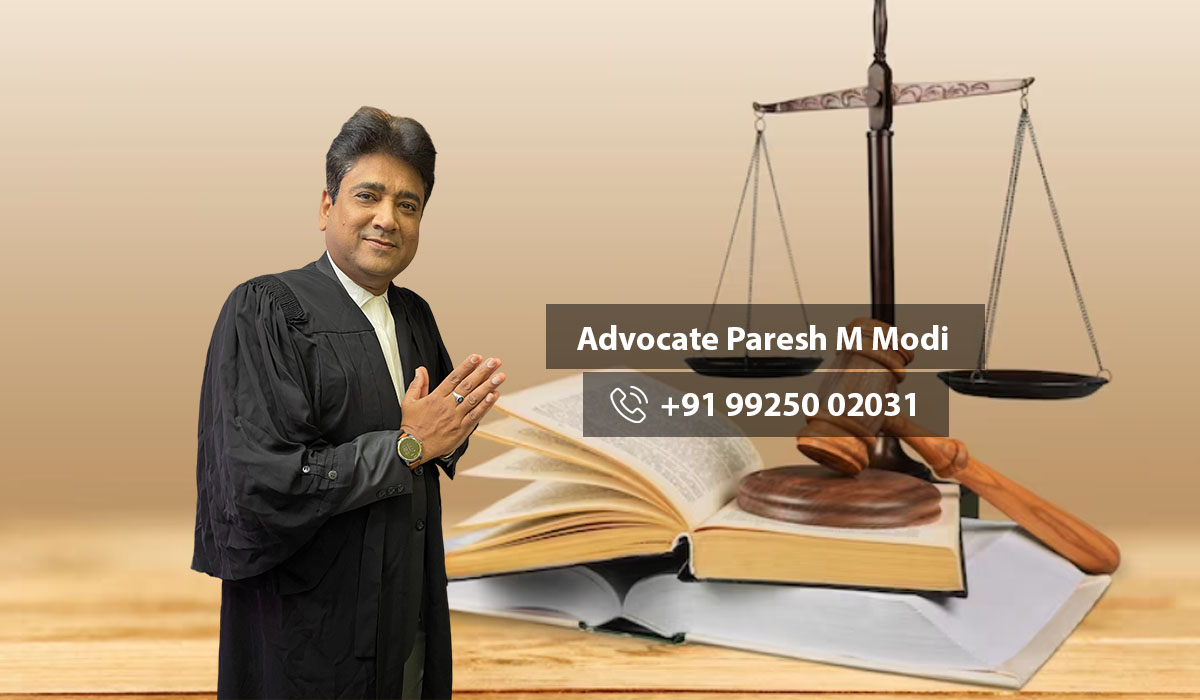
PMLA Act Advocate Gujarat | Paresh M Modi | Criminal Advocates in Ahmedabad Gujarat | 9925002031
- Introduction to PMLA Act
The Prevention of Money Laundering Act, 2002 (PMLA) is India’s primary legislation to prevent, detect, and punish money laundering, empower authorities to attach and confiscate proceeds of crime, and regulate financial channels to ensure transparency. The Act establishes a specialized enforcement mechanism through the Enforcement Directorate (ED) for investigation, adjudication, attachment of properties, arrests, searches, and filing of complaints before the Special Court. PMLA is a socio-economic legislation intended to target illegal proceeds, including those generated from scheduled offences such as corruption, fraud, narcotics, cybercrime, terrorism financing, banking crimes, and organised crime activities.
- PMLA Act પરિચય
પ્રિવેન્શન ઓફ મની લોન્ડરિંગ એક્ટ, 2002 (PMLA) ભારતનું મુખ્ય કાયદા છે, જે પૈસાની ગેરકાયદે હેરફેર (Money Laundering) ને રોકવા, શોધવા અને સજા આપવા માટે બનાવવામાં આવ્યો છે. આ કાયદા હેઠળ એનફોર્સમેન્ટ ડિરેક્ટોરેટ (ED) ને વિશેષ સત્તાઓ આપવામાં આવી છે, જેમ કે તપાસ, પૂછપરછ, ધરપકડ, બિન-ચલ સંપત્તિ અટૅચ કરવી, સર્ચ સીજર કરવી અને સ્પેશિયલ કોર્ટમાં ફરિયાદ દાખલ કરવી. આ કાયદાનો મુખ્ય ઉદ્દેશ “પ્રોસીડ્સ ઑફ ક્રાઇમ” ને કાબૂમાં લેવા અને અર્થતંત્રને સ્વચ્છ રાખવાનો છે.
- Scope & Jurisdiction under PMLA
2.1 Territorial Jurisdiction
PMLA applies to
• All persons within India
• All persons outside India if the offence involves Indian proceeds
• Every financial institution, bank, company, partnership, or individual involved in a scheduled offence
2.2 Jurisdictional Authorities
- Enforcement Directorate (ED) – Investigation & prosecution
- Adjudicating Authority (AA) – Decides attachment & penalties
- Appellate Tribunal (PMLA AT) – Hears appeals against AA orders
- Special Court (designated PMLA Court / Sessions Court) – Trials & criminal proceedings
- High Courts – Appeal under Section 42
- Supreme Court of India – Final appeal remedy
- PMLA નો ક્ષેત્ર અને જ્યુરિસ્ડિક્ષન
2.1 પ્રાદેશિક જ્યુરિસ્ડિક્ષન
PMLA લાગુ પડે છે:
• ભારતની અંદર રહેલા તમામ વ્યક્તિઓ પર
• ભારતના પ્રોસીડ્સ જોડાયેલા કેસોમાં વિદેશી વ્યક્તિઓ પર
• દરેક બેંક, કંપની, ફાઇનાન્સિયલ ઈન્સ્ટિટ્યુશન, અને વ્યક્તિ પર જે “Scheduled Offence” સાથે સંકળાયેલ હોય
2.2 સત્તાવાળું તંત્ર (Authorities)
- ED – એનફોર્સમેન્ટ ડિરેક્ટોરેટ
- Adjudicating Authority (AA)
- Appellate Tribunal (AT)
- Special Court (Sessions Court designated for PMLA)
- High Court
- Supreme Court of India
- Key Definitions & Sections Under PMLA
Section 2 – Important Definitions
- Proceeds of Crime – Property derived from a scheduled offence
• Money Laundering – Process of projecting illegal money as legitimate
• Reporting Entity – Banks, NBFC, intermediaries, etc.
Section 3 – Offence of Money Laundering
A person is guilty if he:
• Directly or indirectly attempts to indulge
• Assists
• Conceals
• Possesses
• Acquires
• Uses
• Projects proceeds of crime as untainted
Section 4 – Punishment
- Rigorous imprisonment 3 to 7 years, and
• Up to 10 years for NDPS-related laundering.
Section 5 – Provisional Attachment of Property
ED can attach properties suspected to be proceeds of crime for 180 days.
Section 17 – Search & Seizure Powers
ED may conduct search of premises and seize documents without FIR from police (as per 2019 amendment).
Section 18 – Search of Persons
Allows ED to search individuals if suspicion exists.
Section 19 – Power of Arrest
ED can arrest if it has “reason to believe” (recorded in writing) that the person is guilty.
Section 44/45 – Special Courts & Bail Conditions
- PMLA bail is subject to twin conditions:
– Court must be satisfied the accused is not guilty
– Unlikely to commit offence while on bail
Section 50 – Summons, Statements & Evidence
ED officers have civil court powers to summon, record statements, inspect records.
Section 63 – Penalties for Non-Compliance
Fine and prosecution for failure to respond to ED summons.
- PMLA ની મહત્વપૂર્ણ કલમો
કલમ 3 – મની લોન્ડરિંગ ગુનો
પ્રોસીડ્સ ઑફ ક્રાઇમને છુપાવવું, ધરાવવું, ઉપયોગ કરવો, અથવા સ્વચ્છ પૈસા તરીકે પ્રોજેક્ટ કરવું—એ બધું મની લોન્ડરિંગ ગણાય છે.
કલમ 4 – સજા
- 3 થી 7 વર્ષની કઠોર કેદ
• NDPS સંબંધિત કેસોમાં 10 વર્ષ સુધી
કલમ 5 – પ્રોવિઝનલ એટૅચમેન્ટ
ED 180 દિવસ સુધી પ્રોપર્ટી અટૅચ કરી શકે છે.
કલમ 17, 18 – સર્ચ અને સીઝર / સર્ચ ઑફ પર્સન
ED ને ઘોંઘાટ વગર સર્ચ કરવાની, ડોક્યુમેન્ટ્સ સીઝ કરવાની સત્તા.
કલમ 19 – ધરપકડ
“રીઝન ટુ બિલીવ” આધારિત ED ધરપકડ કરી શકે છે.
કલમ 45 – જામીનની શરતો (Twin Conditions)
કોર્ટને વિશ્વાસ થવો જોઈએ કે
- આરોપી દોષિત નથી;
- જામીન પર છૂટ્યા પછી ગુનો નહીં કરે.
- Investigation Process under PMLA
- Receipt of information / ECIR registered (ED’s internal document)
- Summons under Section 50
- Statement recording
- Search & seizure
- Provisional attachment of properties
- Filing of Prosecution Complaint before Special Court
- Trial and judgment
- તપાસ પ્રક્રિયા
- ECIR નોંધવામાં આવે છે
- કલમ 50 હેઠળ સમન્સ
- નિવેદનોનો દસ્તાવેજીકરણ
- સર્ચ અને સીઝર
- પ્રોપર્ટી અટૅચમેન્ટ
- સ્પેશિયલ કોર્ટમાં પ્રોસિક્યુશન ફરિયાદ
- ટ્રાયલ અને ચુકાદો
- Major Judgments Under PMLA
- Vijay Madanlal Choudhary v. Union of India (2022)
- ED powers upheld
• Twin conditions for bail revived
• ECIR need not be given to accused
- Nikesh Tarachand Shah v. Union of India (2017)
- Initially held twin conditions unconstitutional (later reversed by 2022 judgment).
- Gautam Kundu v. Directorate of Enforcement (2015)
- ED does not require police FIR for registering ECIR.
- Rajbhushan Omprakash Dixit Case
- Attachment justified even without completion of predicate offence investigation.
- મુખ્ય જજમેન્ટ્સ
- Vijay Madanlal Choudhary (2022)
ED ની સત્તાઓને માન્ય રાખવામાં આવી; જામીનની Twin Conditions પુનઃસ્થાપિત.
- Nikesh Tarachand (2017)
Twin Conditions અમાન્ય ગણાવાઈ હતી, પણ 2022માં બદલાઈ.
- Gautam Kundu (2015)
ECIR માટે પોલીસ FIR જરૂરી નથી.
- Remedies Available to Accused under PMLA
- Anticipatory Bail (subject to Section 45 conditions).
- Regular Bail after arrest – Twin Conditions apply.
- Challenge Search, Arrest, Attachment Orders before High Court (Article 226/227).
- Appeal to Appellate Tribunal against attachment.
- Appeal to High Court under Section 42.
- Discharge application before Special Court.
- Quashing ECIR / proceedings in exceptional cases.
- આરોપી માટે ઉપાયો
- એન્ટિસિપેટરી જામીન
- રેગ્યુલર જામીન
- હાઈકોર્ટમાં અટૅચમેન્ટ / અરસ્ટ ચેલેન્જ
- એપેલેટ ટ્રિબ્યુનલમાં અપીલ
- કલમ 42 હેઠળ હાઈકોર્ટમાં અપીલ
- સ્પેશિયલ કોર્ટમાં ડિસ્ચાર્જ અરજી
- ક્વાશિંગ પિટિશન (અપવાદરૂપ કેસોમાં)
- Authorities Operating Under PMLA
- Enforcement Directorate (ED) – મુખ્ય તપાસ એજન્સી
- Officers: Assistant Director → Deputy Director → Joint Director → Additional Director → Special Director → Director
• Powers: Arrest, search, seize, attach, summon, file complaint
- Financial Intelligence Unit (FIU-IND)
Collects suspicious transaction reports from banks.
- Special Courts
Designated Sessions Courts conducting PMLA trials.
- Conclusion
PMLA is a powerful special legislation targeting financial crimes and proceeds of crime. It grants extensive powers to ED and imposes strict bail conditions. However, the Act also provides multiple remedies for an accused through Special Courts, Appellate Tribunals, and High Courts. Proper legal representation is critical due to the complexity and technical nature of PMLA proceedings.
PMLA એક વિશેષ અને કડક કાયદો છે, જેમાં ED ને વિશાળ સત્તાઓ છે. પરંતુ આરોપીને પણ પૂરતા કાનૂની ઉપાયો ઉપલબ્ધ છે, જેથી ન્યાય મળી રહે.
Criminal Advocate | Money Laundering Case Lawyer in Ahmedabad Gujarat | 9925002031 | Advocate Paresh M Modi
Advocate Paresh M Modi is taking care of Criminal, Civil and Property matters in Ahmedabad Gujarat, he is taking care of PMLA Cases in Ahmedabad Gujarat. He may help you to draft the complaint for FIR in legal manners and words. He is the specialist Advocate for criminal cases in Ahmedabad Gujarat. You may Call / WhatsApp him on Mobile No. 9925002031 to book the appointment, His main office is situated at Ashram Road, Ahmedabad City, Gujarat
Ahmedabad, Adalaj, Adipur, Ahwa, Aithor, Alang, Ambaji, Aambaliyasan, Amod, Amreli, Anand, Ankleshwar, Anjar, Atul, Babra, Bagasara, Balasinor, Banaskantha, Bardoli, Baroda, Bayad, Bavla, Bechraji, Bhachau, Bharuch, Bhavnagar, Bhuj, Bilimora, Borsad, Botad, Chaklasi, Chanasma, Chhota Udepur, Chikhli, Chorvad, Chotila, Dahisara, Dahod, Dahegam, Dakor, Danta, Dang, Dediapada, Deesa, Devbhumi Dwarka, Dhanera, Dhandhuka, Dholera, Dhrangadhra, Dhoraji, Dhrol, Dharampur, Disa, Diu, Dwarka, Fatehganj, Gandhidham, Gandhinagar, Gir Somnath, Ghoghamba, Godhra, Gondal, Gozaria, Halol, Halvad, Hansot, Harij, Himmat Nagar, Idar, Jamjodhpur, Jamnagar, Jasdan, Jetalpur, Jetpur, Jambughoda, Junagadh, Kachchh, Kadi, Kalol, Kanjari, Kanodar, Kankrej, Karjan, Katargam, Keshod, Kheda, Khambhat, Kodinar, Kosamba, Koth, Kutiyana, Lakhtar, Lalpur, Lathi, Limdi, Lunawada, Mahisagar, Mahemdavad, Mahuva, Malpur, Mandvi, Mansa, Manavadar, Mangrol, Matar, Mehsana, Modasa, Morbi, Muli, Mundra, Nadiad, Nakhatrana, Naliya, Narmada, Naroda, Narol, Navsari, Okha, Olpad, Padra, Palanpur, Paliyad, Palitana, Panchmahal, Patan, Petlad, Pipavav, Porbandar, Prantij, Radhanpur, Rajkot, Rajpipla, Ranavav, Ranpur, Sabarkantha, Salaya, Samakhiali, Sanand, Santrampur, Savarkundla, Savli, Sayan, Shahera, Shihor, Sidhpur, Sikka, Sojitra, Songadh, Surat, Surendranagar, Sutrapada, Talaja, Talod, Tapi, Tarapur, Tharad, Thasra, Umreth, Una, Unjha, Upleta, Umergam, Vadnagar, Vadodara, Vaghodia, Vaav, Valsad, Vansda, Vapi, Veraval, Vijapur, Visnagar, Viramgam, Vyara, Wankaner, Zinzuwada,
Legal Words and Definitions
Lawyer
A professional legally qualified to advise clients and represent them before courts or legal authorities.
Advocate
A person enrolled under the Advocates Act, 1961, authorized to practice law and plead cases before courts in India.
Vakil
A traditional Indian term meaning lawyer or advocate who represents parties in legal matters.
Attorney
A legal representative or agent empowered to act for another in legal or business transactions.
Barrister
A lawyer trained in advocacy, typically practicing in higher courts, especially in the UK-style legal system.
Solicitor
A legal practitioner who advises clients, prepares legal documents, and may brief barristers for court appearances.
Lawyers
Lawyers are legal professionals who are qualified to practice law and provide legal assistance. They represent clients in court, prepare legal documents, and offer advice on legal matters. Lawyers specialize in various areas such as criminal law, civil law, property law, family law, and corporate law, ensuring that clients receive the best possible solutions tailored to their legal concerns.
Advocates
Advocates are a subset of lawyers who are specifically authorized to represent clients in court and plead on their behalf. They play a critical role in the judicial system by presenting cases, cross-examining witnesses, and interpreting laws to secure justice for their clients. Advocate Paresh M Modi, based in Ahmedabad, Gujarat, is one such experienced and reputed advocate known for his expertise in criminal, civil, and family matters.
Law Firms
Law firms are professional organizations comprising multiple lawyers and legal consultants who collaborate to provide comprehensive legal services. These firms cater to various legal needs, including litigation, corporate advisory, contract drafting, and dispute resolution. Advocate Paresh M Modi leads a distinguished law firm in Ahmedabad, offering solutions across diverse legal domains with a team of dedicated and experienced advocates.
Law Consultant
A law consultant is an experienced legal professional offering expert guidance on legal matters without necessarily representing clients in court. They assist individuals, businesses, and organizations in navigating complex legal frameworks by providing tailored advice and preventive legal strategies. Advocate Paresh M Modi, known for his profound legal knowledge, offers exceptional consultancy services to ensure clients’ compliance with legal regulations and mitigate risks.
Legal Services
Legal services encompass a wide range of professional assistance provided by lawyers, advocates, and law firms. These include legal advice, drafting legal documents, representing clients in court, negotiating settlements, and ensuring compliance with applicable laws. Advocate Paresh M Modi excels in offering top-notch legal services in Gujarat, addressing criminal cases, property disputes, divorce matters, and more.
Legal Advisor
A legal advisor is a professional who offers strategic legal guidance to individuals or organizations to ensure compliance with laws and regulations. They specialize in interpreting laws, drafting agreements, and providing insights to minimize risks and resolve disputes effectively. Advocate Paresh M Modi serves as a trusted legal advisor, helping clients achieve favorable outcomes in complex legal scenarios.
Law Firm
An organization of lawyers providing legal services, advice, and representation to individuals and businesses.
Best
The “Best” signifies unparalleled quality and performance. It represents the highest standard in a field, offering reliability, trust, and exceptional outcomes, ensuring client satisfaction through consistent excellence.
Top
“Top” defines the pinnacle of achievement or ranking in a profession. It emphasizes leadership, authority, and superior expertise, ensuring outstanding results that surpass expectations.
Expert
An “Expert” is a highly skilled and knowledgeable professional with years of experience in a specific field. They provide dependable advice and solutions tailored to meet complex requirements.
Specialist
A “Specialist” focuses on a specific domain, offering in-depth understanding and dedicated service. Their proficiency ensures precise, efficient, and effective solutions for specialized needs.
Near Me
Near Me is a phrase frequently used in searches to find nearby services, such as lawyers, courts, or legal assistance within a user’s location.
Type of Offenses and Crime
Murder
The unlawful killing of another person with intent. It is one of the most serious crimes and is punishable under Section 302 of the Indian Penal Code (IPC).
Arson
The criminal act of deliberately setting property on fire. This crime is addressed under Section 435 and 436 of the IPC.
Assault
An intentional act causing physical harm or the threat of physical harm to another person. Sections 351 to 358 of the IPC deal with assault-related offenses.
Burglary
The illegal entry into a building or premises with the intent to commit a crime, typically theft. It is punishable under Sections 445 and 446 of the IPC.
Domestic Violence
Abuse or violence inflicted by a family member, typically within a household, often targeting women. The Protection of Women from Domestic Violence Act, 2005 governs such cases.
Fraud
Deceptive practices or dishonest acts intended to secure financial or personal gain. It is addressed under Section 420 of the IPC and other laws.
Kidnapping
The unlawful taking or confinement of a person against their will, often for ransom. Sections 359 to 374 of the IPC cover kidnapping and abduction.
Organized Crime
Criminal activities coordinated by a group of individuals or a criminal syndicate, such as smuggling or drug trafficking. Organized crimes are addressed by special laws like MCOCA (Maharashtra Control of Organized Crime Act).
White Collar Crimes
Non-violent crimes committed for financial gain, often by professionals or businesses, such as embezzlement, insider trading, and money laundering.
Cybercrime
Illegal activities conducted online or using digital technology, such as hacking, phishing, or identity theft. The Information Technology Act, 2000 governs such offenses.
Robbery
The use of force or intimidation to unlawfully take someone’s property. Sections 390 to 402 of the IPC deal with robbery.
Human Trafficking
The illegal trade or exploitation of individuals, typically for forced labor or sexual exploitation. This crime is governed by Sections 370 and 371 of the IPC and other laws.
Sexual Offenses
Crimes such as rape, sexual harassment, and molestation. These offenses are covered under Sections 375 to 376D of the IPC and the POCSO Act for child victims.
Extortion
Obtaining money, property, or services through coercion, threats, or force. It is punishable under Sections 383 to 389 of the IPC.
Corruption
Abuse of power or position for personal gain, often involving bribery or misuse of public office. The Prevention of Corruption Act, 1988 deals with such crimes.
Financial Fraud
Focused on resolving financial fraud cases, providing meticulous analysis, strategic planning, and robust representation to protect interests and ensure justice.
Ponzi Scheme Fraud
“With deep expertise in Ponzi scheme fraud cases, handling victim representation, litigation, and legal remedies with precision and dedication.
Rape
A criminal act involving sexual intercourse without consent, punishable under Indian law for violating personal dignity and bodily autonomy.
Gang
A group of persons acting together, often associated with organized criminal or unlawful activities.
Loot
The unlawful taking of money or property by force or during violence, riot, or warlike situations.
Dhaad
A Gujarati term commonly used to describe robbery or sudden violent attack to snatch property or money.
Jaamin
A Gujarati word meaning security or surety given to release an accused person temporarily from custody.
Bail
A legal process that allows an accused to be released from custody while ensuring their appearance before the court.
Jamanat
The Hindi and Gujarati term for bail, referring to temporary release on surety or bond pending trial.
Jail
A place where accused or convicted persons are lawfully confined by the government authorities.
Drugs
Chemical substances that affect the body or mind; illegal drugs are controlled under the NDPS Act for misuse and trafficking.
NDPS
The Narcotic Drugs and Psychotropic Substances Act, 1985 — a central law regulating and prohibiting drug abuse and trafficking in India.
GUJCTOC
The Gujarat Control of Terrorism and Organised Crime Act, enacted to curb organized crime, terrorism, and criminal syndicates in Gujarat.
FEMA
The Foreign Exchange Management Act, 1999, governing foreign exchange transactions, cross-border trade, and currency violations in India.
PASA
The Prevention of Anti-Social Activities Act, 1985 (Gujarat), allowing preventive detention of habitual offenders and antisocial elements.
POCSO
The Protection of Children from Sexual Offences Act, 2012, a special law ensuring protection of minors from sexual assault and exploitation.
Theft
The dishonest taking of another person’s movable property with intent to deprive them permanently of it.
FIR
First Information Report — the initial complaint or report registered by police upon receiving information of a cognizable offence.
Quashing
A judicial process by which a High Court cancels or nullifies criminal proceedings or an FIR if found illegal or unjust.
ACB
Anti-Corruption Bureau, a government agency investigating bribery, corruption, and misconduct by public servants.
CBI
Central Bureau of Investigation, India’s premier central agency for investigating serious crimes, corruption, and economic offences.
CID
Criminal Investigation Department, a state-level police branch specializing in criminal investigations and evidence gathering.
NIA
National Investigation Agency, India’s central counter-terrorism agency handling terrorism-related and national security cases.
DRI
Directorate of Revenue Intelligence, the apex intelligence agency for enforcing customs and anti-smuggling laws in India.
ED
The Enforcement Directorate (ED) is a law enforcement agency in India responsible for enforcing economic laws and combating financial crimes, such as money laundering.
CVC
The Central Vigilance Commission (CVC) is an autonomous body in India aimed at preventing corruption in government institutions and maintaining integrity in public administration.
Crime Branch
The Crime Branch is a specialized wing of the State Police Department responsible for investigating serious crimes such as murder, kidnapping, cyber fraud, and organized crime. It functions under the supervision of senior police officers.
LCB (Local Crime Branch)
LCB stands for Local Crime Branch. It operates within the district-level police department and investigates serious local criminal offenses, including fraud, theft, and property-related crimes.
Offense
An offense is an act or omission that violates the law and is punishable under various Indian Penal Laws such as the Bhartiya Nyay Sanhita, 2023 (replacing IPC). Offenses are categorized as cognizable or non-cognizable, bailable or non-bailable.
Economic Offense
Economic offenses are crimes involving financial fraud or economic manipulation that harm the financial stability of individuals or the nation. Examples include money laundering, bank fraud, tax evasion, and corporate frauds. Such cases are often investigated by agencies like the ED, CBI, or EOW.
SOG (Special Operations Group)
The Special Operations Group is a specialized police unit in many Indian states, including Gujarat. It handles sensitive and high-profile criminal cases, organized crime, terrorism-related investigations, and cybercrime operations.
NIA (National Investigation Agency)
The National Investigation Agency is India’s premier counter-terrorism and national security investigative agency. It handles cases related to terrorism, explosives, cross-border crimes, and offenses under special acts like the UAPA.
PMLA (Prevention of Money Laundering Act, 2002)
The PMLA is a central legislation enacted to prevent money laundering and confiscate property derived from such offenses. The Enforcement Directorate (ED) investigates cases under this Act, and offenses are adjudicated by the PMLA Appellate Tribunal and courts.
Economic Offences Wing (EOW) Act
The Economic Offences Wing (EOW) is a specialized division within various law enforcement agencies in India, tasked with investigating and combating economic crimes such as fraud, money laundering, tax evasion, and other financial malpractices. It plays a pivotal role in maintaining financial integrity and ensuring that white-collar crimes do not go unchecked. This detailed explanation will cover the Economic Offences Wing Act, the organizational structure and work style, procedural stages, types of cases handled, and relevant sections of the EOW Act. We will also touch on the prominent role played by advocate Paresh M Modi, who has become well-known for his work on EOW cases.
Cyber Crime
Criminal activity involving computers, networks, or digital devices — including hacking, online fraud, and data theft.
Criminal Advocate
Criminal Advocate is also known as a criminal lawyer, is a lawyer who represents client in criminal cases, criminal lawyers advocate for their clients’ rights, ensuring they receive a fair trial. They counsel clients, educate them on their legal rights, and represent them in court. They also challenge evidence against their clients, negotiate with prosecutors, and may take the case to trial.
Crime
Crime is any act or omission punishable by law, considered harmful to individuals, society, or the state, including theft, fraud, and assault.
Criminal
A criminal is an individual convicted of violating laws, having committed acts deemed punishable under the legal system.
Ahmedabad
Ahmedabad, the largest city in Gujarat, is a major business hub and cultural center. It hosts Gujarat High Court and numerous lower courts, making it a key location for legal and judicial activities in India.
Amdavad
Commonly known as Ahmedabad, it is the largest city in Gujarat, India, known for its rich cultural heritage, legal institutions, business centers, and the Gujarat High Court.
Gujarat
Gujarat, a western Indian state, boasts a robust judicial system with high courts, district courts, and tribunals addressing diverse cases.
Bharat
The traditional and constitutional name of India, representing the Republic of India, a sovereign democratic nation with diverse cultures, languages, and a strong legal and constitutional framework.
India
India, a democratic nation, has a comprehensive judiciary comprising Supreme Court, High Courts, and subordinate courts ensuring justice nationwide.
Indian Lawyers
Indian lawyers play a crucial role in upholding the Constitution and addressing legal disputes at various judicial levels.
Chief Additional Metropolitan Court
These courts in metropolitan cities manage serious criminal and civil cases requiring swift legal action.
Tribunal Court
Tribunal courts address specialized disputes, including tax, labor, and administrative matters, ensuring justice in niche areas.
District Court
District courts form the backbone of the judiciary, handling civil and criminal cases within their jurisdiction.
Sessions Court
Sessions courts are designated for serious criminal matters, ensuring justice through fair trials and judgments.
High Court
High Courts, at the state level, have jurisdiction over appeals and constitutional matters, ensuring justice across states.
Gujarat High Court
The Gujarat High Court is the highest court of the State of Gujarat, with its principal seat at Sola, Ahmedabad. It was established on 1 May 1960 under the Bombay Reorganization Act, 1960, when Gujarat was carved out of the erstwhile Bombay State. It exercises jurisdiction over all civil, criminal, constitutional and administrative matters arising within Gujarat, and has supervisory powers over all subordinate courts in the state under the Constitution of India.
Supreme Court
The Supreme Court of India is the apex judicial authority, ensuring constitutional justice and uniformity across the nation.
Contact Advocate Paresh M Modi
Mobile: +91 9925002031 (Only WhatsApp sms – Timing 9 am to 9 pm)
Office Landline: +91-79-48001468 (For Appointment Only – Timing 10.30 am to 6.30 pm – On Working Days)
Email: advocatepmmodi@gmail.com
Website: www.advocatepmmodi.in
Office Address:
Office No. C/112, Supath-2 Complex, Opp. Kohinoor Plaza Hotel, Near Old Wadaj Bus Stand, Ashram Road, Ahmedabad – 380013, Gujarat, India.
PMLA Act Lawyer in Ahmedabad Gujarat | 9925002031